
You may also enjoy:
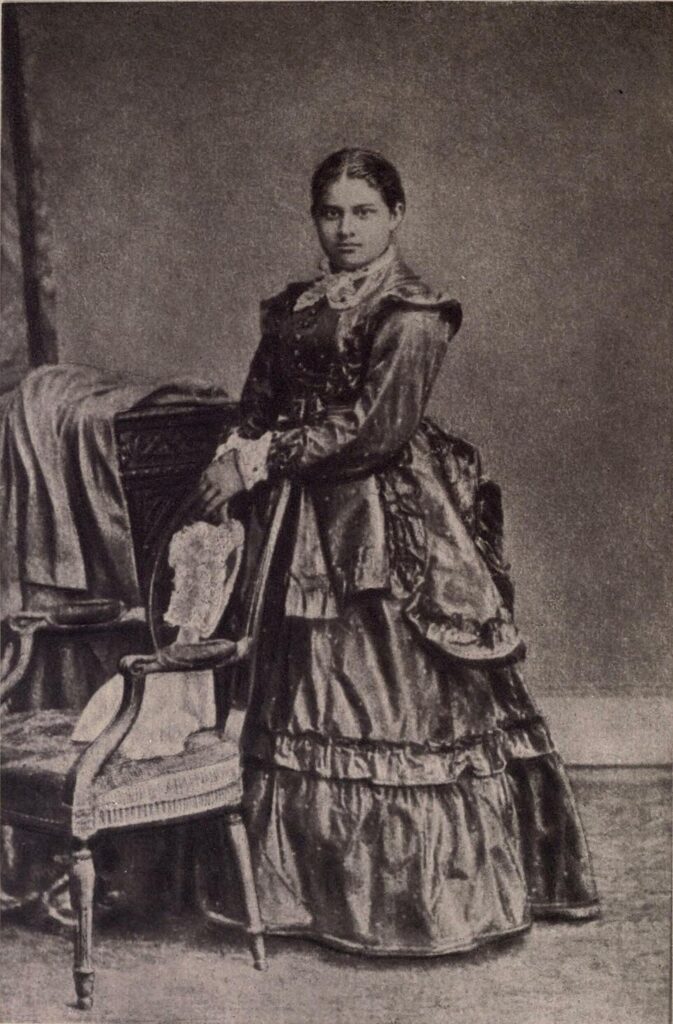
Toru Dutt (4 March 1856 – 30 August 1877) was an Indian poet, translator, and novelist whose work helped establish Indian writing in English during the nineteenth century. Though she died at only twenty-one, her poetry remains celebrated for its emotional depth, mythological richness, and vivid depictions of memory, family, and homeland. Blending Indian themes with Romantic influences, Dutt’s work occupies a unique place in world literature.
Born: 4 March 1856, Calcutta, Bengal Presidency, British India
Died: 30 August 1877, Calcutta, Bengal Presidency, British India
Nationality: Indian
Main themes:
• Memory and childhood
• Family and loss
• Nature and place
• Mythology and legend
• Mortality and impermanence
• Cultural identity and inheritance
Why Read Toru Dutt
Toru Dutt’s poetry remains remarkable for its emotional sincerity and cultural richness. Her work often combines personal grief, vivid natural imagery, and Indian mythology in ways that feel intimate, lyrical, and deeply human.
“Our Casuarina Tree”
Toru Dutt’s most famous poem, a powerful meditation on memory, childhood, and enduring loss.
Like a huge Python, winding round and round
The rugged trunk, indented deep with scars,
Up to its very summit near the stars,
A creeper climbs, in whose embraces bound
No other tree could live. But gallantly
The giant wears the scarf, and flowers are hung
In crimson clusters all the boughs among,
Whereon all day are gathered bird and bee;
Beneath it we have played; though years may roll,
O sweet companions, loved with love intense,
For your sakes shall the tree be ever dear.
—
“Sîta”
A beautiful mythological poem about storytelling, motherhood, and the emotional inheritance of ancient tales.
Three happy children in a darkened room!
What do they gaze on with wide-open eyes?
A dense, dense forest, where no sunbeam pries,
And in its centre a cleared spot. There bloom
Gigantic flowers on creepers that embrace
Tall trees; there, in a quiet, lonely glade,
Sits Sita in a sorrowful, sweet shade,
A look of sadness on her gentle face.
—
“The Lotus”
A short symbolic poem blending Eastern and Western traditions of beauty.
Love came to Flora asking for a flower
That would of flowers be undisputed queen,
The lily and the rose, long, long had been
Rivals for that high honour.
Then Flora gave the lotus, “rose-red” dyed,
And “lily-white,”—the queenliest flower that blows.
—
“Baugmaree”
A richly atmospheric nature poem full of stillness, color, and reflection.
A sea of foliage girds our garden round,
But not a sea of dull unvaried green,
Sharp contrasts of all colours here are seen;
The light-green graceful tamarinds abound
Amid the mangoe clumps of green profound,
And palms arise, like pillars gray, between;
And over all the smooth blue sky doth lean.
—
“The Tree of Life”
A reflective poem about growth, mortality, and the passing of time.
A wondrous Tree there is, whose branches spread
Wide as the world, and touch the stars above;
Its roots strike deep where countless dead
Lie hidden, and are fed by death and love.
Its leaves are green with life’s desire,
Its blossoms bright with hope and pain,
Yet every autumn’s withering fire
Leaves them to rise and bloom again.
—
“France — 1870”
A passionate political poem about struggle, freedom, and national endurance.
O land of France! though dark thy day,
Though blood and tears thy fields bedew,
Still shines the glory of thy way,
Still beats thy heart brave and true.
Though war’s red hand thy beauty mars,
And sorrow clouds thy ancient fame,
Still bright among the nations’ stars
Burns thy immortal deathless name.
—
“The Royal Ascetic and the Hind” (excerpt)
A moving poem rooted in Indian legend, exploring compassion, sacrifice, and spiritual duty.
Within the forest deep and wild
A gentle hind her young one led,
Her soft eyes full of tender fear,
Her footsteps light, her spirit dread.
Before her stood the holy man,
Who saw her trembling there alone,
And in her sorrow read the truth
That grief and love are flesh and bone.
How to Start Reading Toru Dutt
For memory, childhood, and loss, begin with “Our Casuarina Tree.”
For mythology and family storytelling, read “Sîta.”
For symbolic and philosophical poetry, start with “The Lotus.”
For rich nature imagery, explore “Baugmaree.”
To understand Dutt’s wider political and cultural range, read “France — 1870.”
Final Thoughts
Toru Dutt’s poetry endures because it brings together personal memory, cultural heritage, and lyrical beauty with rare emotional clarity. Though her life was brief, her work continues to offer readers a powerful and distinctive voice in world poetry.
You might enjoy: