You may also enjoy:
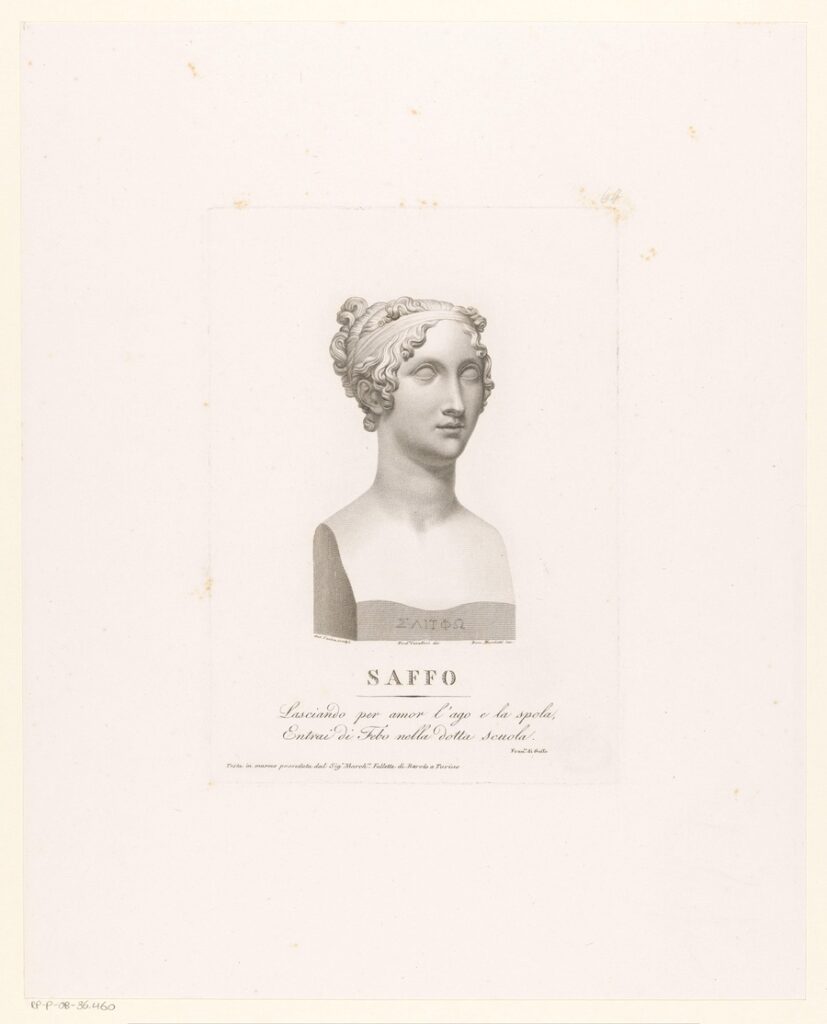
Sappho (c. 630 BCE – c. 570 BCE) was an ancient Greek lyric poet from the island of Lesbos, widely regarded as one of the greatest poets of antiquity. Known for her intense emotional clarity, vivid imagery, and explorations of love, longing, beauty, and desire, Sappho helped shape the lyric tradition that would influence poetry for centuries. Though much of her work survives only in fragments, her voice remains one of the most intimate and enduring in literary history.
Born: c. 630 BCE, Lesbos, Ancient Greece
Died: c. 570 BCE, Lesbos, Ancient Greece
Nationality: Greek
Main themes:
• Love and longing
• Desire and jealousy
• Beauty and devotion
• Memory and parting
• Aging and mortality
• The divine and human emotion
Why Read Sappho
Sappho’s poetry remains powerful for its emotional immediacy and startling intimacy. Her fragments often feel intensely modern, capturing love, desire, grief, and longing with a directness that still resonates thousands of years later.
“Hymn to Aphrodite”
Sappho’s most complete surviving poem, a passionate prayer to the goddess of love.
Deathless Aphrodite of the spangled mind,
child of Zeus, who twists lures,
I beg you do not break with hard pains,
O lady, my heart
but come here if ever before
you caught my voice far off
and listening left your father’s
golden house and came
yoking your chariot. Fine birds
brought you, quick sparrows over the black earth
whipping fast wings down from heaven
through midair.
—
“Fragment 31”
One of Sappho’s most famous poems, a powerful meditation on love, jealousy, and physical desire.
He seems to me equal to gods that man
who sits opposite you
and listens nearby
to your sweet speaking
and lovely laughing—oh it
puts the heart in my chest on wings
for when I look at you, even a moment,
no speaking is left in me
no: tongue breaks and thin
fire is racing under skin
and in eyes no sight and drumming
fills ears.
—
“Fragment 16”
A timeless reflection on love as the most powerful force in human life.
Some say cavalry, some infantry,
some ships are the loveliest thing
on the black earth,
but I say it is whatever
you love.
Easy to make this understood
by all:
she who far surpassed mankind
in beauty, Helen,
left her noble husband behind
and went sailing off to Troy.
—
“Fragment 94”
A tender and heartbreaking fragment about parting and shared memory.
Honestly, I wish I were dead.
She was leaving me,
and she wept so much.
And I answered her:
Rejoice, go and remember me.
For you know how we cared for you.
And if not, I want
to remind you…
of all the beautiful things we shared.
—
“Fragment 58”
A moving reflection on aging, beauty, and the inevitability of time.
You, children, seek the beautiful gifts
of the violet-bosomed Muses,
and the clear-toned lyre, beloved.
But my once tender body old age
has seized;
my hair has turned white instead of black.
My heart has grown heavy.
—
“Fragment 130”
A short but intense poem about the sweetness and pain of desire.
Eros shook my mind
like a mountain wind
falling on oak trees.
—
“Fragment 168B”
A luminous fragment of moonlight, absence, and solitude.
The moon has set,
and the Pleiades;
it is midnight,
the hour goes by,
and I sleep alone.
How to Start Reading Sappho
For divine love and longing, begin with “Hymn to Aphrodite.”
For passion and jealousy, read “Fragment 31.”
For Sappho’s philosophy of love, begin with “Fragment 16.”
For grief and parting, explore “Fragment 94.”
For aging and mortality, read “Fragment 58.”
Final Thoughts
Sappho’s poetry endures because it captures human emotion in its most concentrated form. Across fragments, prayers, and love songs, her work continues to remind readers that longing, beauty, and grief are timeless parts of human life.
You might enjoy: