Introduction
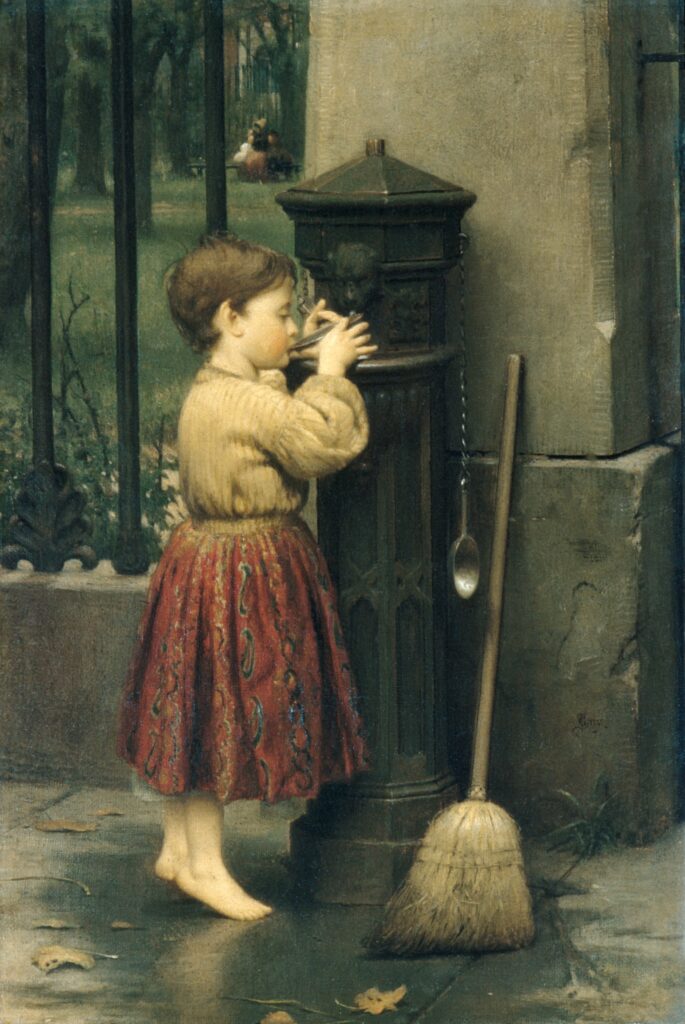
- Childhood has long inspired poets to reflect on innocence, imagination, memory, and growth. Whether celebrating youthful joy or looking back with nostalgia, poets often return to childhood as a formative and meaningful stage of life. These famous childhood poems explore wonder, simplicity, and the early experiences that shape identity.
Why Poets Write About Childhood
You may also enjoy:
- Childhood represents beginnings — a time of curiosity, discovery, and emotional intensity. In poetry, it often appears as innocence remembered, lessons learned, or the contrast between youth and adulthood.
Poems About Innocence and Imagination
“The Lamb” — William Blake
- Blake presents childhood innocence through simple language and gentle imagery.
Little Lamb who made thee
Dost thou know who made thee
Gave thee life & bid thee feed.
By the stream & o’er the mead;
Gave thee clothing of delight,
Softest clothing wooly bright;
Gave thee such a tender voice,
Making all the vales rejoice!
Little Lamb who made thee
Dost thou know who made thee
Little Lamb I’ll tell thee,
Little Lamb I’ll tell thee!
He is called by thy name,
For he calls himself a Lamb:
He is meek & he is mild,
He became a little child:
I a child & thou a lamb,
We are called by his name.
Little Lamb God bless thee.
Little Lamb God bless thee.
“The Tyger” — William Blake
- Often read alongside “The Lamb,” this poem reflects on the loss of innocence and the complexity of creation.
Tyger Tyger, burning bright,
In the forests of the night;
What immortal hand or eye,
Could frame thy fearful symmetry?
In what distant deeps or skies.
Burnt the fire of thine eyes?
On what wings dare he aspire?
What the hand, dare seize the fire?
And what shoulder, & what art,
Could twist the sinews of thy heart?
And when thy heart began to beat.
What dread hand? & what dread feet?
What the hammer? what the chain,
In what furnace was thy brain?
What the anvil? what dread grasp.
Dare its deadly terrors clasp?
When the stars threw down their spears
And water’d heaven with their tears:
Did he smile his work to see?
Did he who made the Lamb make thee?
Tyger Tyger burning bright,
In the forests of the night:
What immortal hand or eye,
Dare frame thy fearful symmetry?
Childhood and Memory
“When I Was One-and-Twenty” — A. E. Housman
- Housman reflects on youthful advice and experience, contrasting innocence with maturity.
When I was one-and-twenty
I heard a wise man say,
“Give crowns and pounds and guineas
But not your heart away;
Give pearls away and rubies
But keep your fancy free.”
But I was one-and-twenty,
No use to talk to me.
When I was one-and-twenty
I heard him say again,
“The heart out of the bosom
Was never given in vain;
’Tis paid with sighs a plenty
And sold for endless rue.”
And I am two-and-twenty,
And oh, ’tis true, ’tis true.
Childhood and Growth
“The School Boy” — William Blake
- Blake explores the tension between natural joy and restrictive discipline in childhood.
I love to rise in a summer morn,
When the birds sing on every tree;
The distant huntsman winds his horn,
And the sky-lark sings with me.
O! what sweet company.
But to go to school in a summer morn,
O! it drives all joy away;
Under a cruel eye outworn.
The little ones spend the day,
In sighing and dismay.
Ah! then at times I drooping sit,
And spend many an anxious hour,
Nor in my book can I take delight,
Nor sit in learnings bower,
Worn thro’ with the dreary shower.
How can the bird that is born for joy,
Sit in a cage and sing.
How can a child when fears annoy.
But droop his tender wing.
And forget his youthful spring.
O! father & mother. if buds are nip’d,
And blossoms blown away,
And if the tender plants are strip’d
Of their joy in the springing day,
By sorrow and care’s dismay.
How shall the summer arise in joy.
Or the summer fruits appear.
Or how shall we gather what griefs destroy
Or bless the mellowing year.
When the blasts of winter appear.
“My Heart Leaps Up” — William Wordsworth
- Wordsworth emphasizes continuity between childhood and adulthood, valuing early emotional sensitivity.
My heart leaps up when I behold
A rainbow in the sky:
So was it when my life began;
So is it now I am a man;
So be it when I shall grow old,
Or let me die!
The Child is father of the Man;
And I could wish my days to be
Bound each to each by natural piety.
How to Choose a Childhood Poem
- For innocence and simplicity, Blake offers clear symbolic contrasts.
- For nostalgia and reflection, Wordsworth provides philosophical depth.
- For playful imagery, Stevenson captures imagination vividly.
- For coming-of-age themes, consider poems reflecting on youth and experience.
Final Thoughts
- Famous childhood poems endure because early experiences shape memory and identity. Through imagery of innocence, imagination, and growth, poets remind readers of the formative power of youth.
You might enjoy: