
Introduction
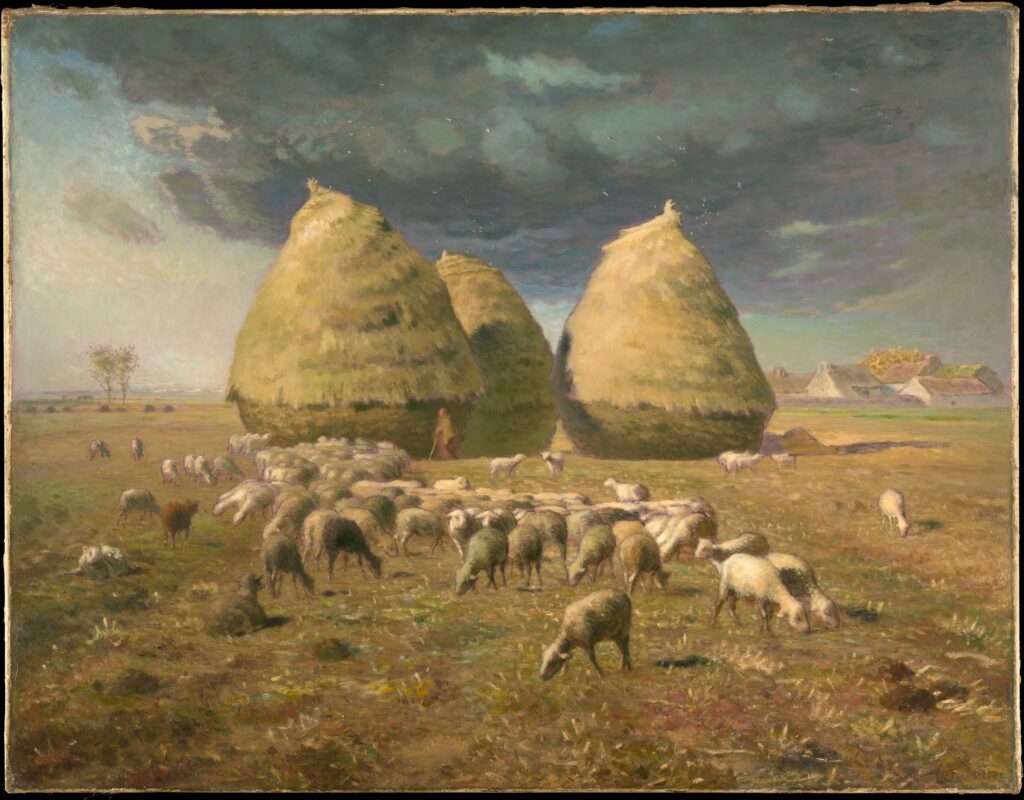
- Change is one of life’s constants. Seasons shift, people grow, empires fall, and time reshapes all things. Poets have long reflected on change as both loss and renewal, uncertainty and transformation. These famous poems about change explore how growth, time, and experience alter the human condition.
Why Poets Write About Change
You may also enjoy:
- Change invites reflection. In poetry, it often appears as aging, shifting emotions, social transformation, or spiritual development. Some poets resist change, while others embrace it as a natural and necessary force.
Change and Time
“Sonnet 60” (“Like as the waves make towards the pebbled shore”) — William Shakespeare
- Shakespeare reflects on time’s steady movement and its impact on human life.
Like as the waves make towards the pebbl’d shore,
So do our minutes hasten to their end;
Each changing place with that which goes before,
In sequent toil all forwards do contend.
Nativity, once in the main of light,
Crawls to maturity, wherewith being crown’d,
Crooked eclipses ‘gainst his glory fight,
And Time that gave doth now his gift confound.
Time doth transfix the flourish set on youth
And delves the parallels in beauty’s brow,
Feeds on the rarities of nature’s truth,
And nothing stands but for his scythe to mow:
And yet to times in hope my verse shall stand,
Praising thy worth, despite his cruel hand.
“Ozymandias” — Percy Bysshe Shelley
- Shelley shows how even the greatest power fades under the passage of time.
I met a traveller from an antique land,
Who said—“Two vast and trunkless legs of stone
Stand in the desert. . . . Near them, on the sand,
Half sunk a shattered visage lies, whose frown,
And wrinkled lip, and sneer of cold command,
Tell that its sculptor well those passions read
Which yet survive, stamped on these lifeless things,
The hand that mocked them, and the heart that fed;
And on the pedestal, these words appear:
My name is Ozymandias, King of Kings;
Look on my Works, ye Mighty, and despair!”
Nothing beside remains. Round the decay
Of that colossal Wreck, boundless and bare
The lone and level sands stretch far away.
“Nothing Gold Can Stay” — Robert Frost
- Frost captures how quickly beauty and innocence pass.
Nature’s first green is gold,
Her hardest hue to hold.
Her early leaf’s a flower;
But only so an hour.
Then leaf subsides to leaf.
So Eden sank to grief,
So dawn goes down to day.
Nothing gold can stay.
Change and Personal Growth
“The Chambered Nautilus” — Oliver Wendell Holmes Sr.
- Holmes uses a growing shell as a metaphor for continual spiritual development.
This is the ship of pearl, which, poets feign,
Sails the unshadowed main,—
The venturous bark that flings
On the sweet summer wind its purpled wings
In gulfs enchanted, where the Siren sings,
And coral reefs lie bare,
Where the cold sea-maids rise to sun their streaming hair.
Its webs of living gauze no more unfurl;
Wrecked is the ship of pearl!
And every chambered cell,
Where its dim dreaming life was wont to dwell,
As the frail tenant shaped his growing shell,
Before thee lies revealed,—
Its irised ceiling rent, its sunless crypt unsealed!
Year after year beheld the silent toil
That spread his lustrous coil;
Still, as the spiral grew,
He left the past year’s dwelling for the new,
Stole with soft step its shining archway through,
Built up its idle door,
Stretched in his last-found home, and knew the old no more.
Thanks for the heavenly message brought by thee,
Child of the wandering sea,
Cast from her lap, forlorn!
From thy dead lips a clearer note is born
Than ever Triton blew from wreathèd horn!
While on mine ear it rings,
Through the deep caves of thought I hear a voice that sings:—
Build thee more stately mansions, O my soul,
As the swift seasons roll!
Leave thy low-vaulted past!
Let each new temple, nobler than the last,
Shut thee from heaven with a dome more vast,
Till thou at length art free,
Leaving thine outgrown shell by life’s unresting sea!
“O Me! O Life!” — Walt Whitman
- Whitman acknowledges life’s struggles while affirming renewal and purpose.
Oh me! Oh life! of the questions of these recurring,
Of the endless trains of the faithless, of cities fill’d with the foolish,
Of myself forever reproaching myself, (for who more foolish than I, and who more faithless?)
Of eyes that vainly crave the light, of the objects mean, of the struggle ever renew’d,
Of the poor results of all, of the plodding and sordid crowds I see around me,
Of the empty and useless years of the rest, with the rest me intertwined,
The question, O me! so sad, recurring—What good amid these, O me, O life?
Answer.
That you are here—that life exists and identity,
That the powerful play goes on, and you may contribute a verse.
Change and Nature
“To Autumn” — John Keats
- Keats portrays seasonal transition as natural and balanced rather than tragic.
Season of mists and mellow fruitfulness,
Close bosom-friend of the maturing sun;
Conspiring with him how to load and bless
With fruit the vines that round the thatch-eves run;
To bend with apples the moss’d cottage-trees,
And fill all fruit with ripeness to the core;
To swell the gourd, and plump the hazel shells
With a sweet kernel; to set budding more,
And still more, later flowers for the bees,
Until they think warm days will never cease,
For summer has o’er-brimm’d their clammy cells.
Who hath not seen thee oft amid thy store?
Sometimes whoever seeks abroad may find
Thee sitting careless on a granary floor,
Thy hair soft-lifted by the winnowing wind;
Or on a half-reap’d furrow sound asleep,
Drows’d with the fume of poppies, while thy hook
Spares the next swath and all its twined flowers:
And sometimes like a gleaner thou dost keep
Steady thy laden head across a brook;
Or by a cyder-press, with patient look,
Thou watchest the last oozings hours by hours.
Where are the songs of spring? Ay, Where are they?
Think not of them, thou hast thy music too,—
While barred clouds bloomthe soft-dying day,
And touch the stubble-plains with rosy hue;
Then in a wailful choir the small gnats mourn
Among the river sallows, borne aloft
Or sinking as the light wind lives or dies;
And full-grown lambs loud bleat from hilly bourn;
Hedge-crickets sing; and now with treble soft
The red-breast whistles from a garden-croft;
And gathering swallows twitter in the skies.
“The World Is Too Much with Us” — William Wordsworth
- Wordsworth reflects on societal change and humanity’s shifting relationship with nature.
The world is too much with us; late and soon,
Getting and spending, we lay waste our powers;—
Little we see in Nature that is ours;
We have given our hearts away, a sordid boon!
This Sea that bares her bosom to the moon;
The winds that will be howling at all hours,
And are up-gathered now like sleeping flowers;
For this, for everything, we are out of tune;
It moves us not. Great God! I’d rather be
A Pagan suckled in a creed outworn;
So might I, standing on this pleasant lea,
Have glimpses that would make me less forlorn;
Have sight of Proteus rising from the sea;
Or hear old Triton blow his wreathèd horn.
How to Choose a Poem About Change
- For change over time, Shakespeare and Shelley provide powerful imagery.
- For personal growth, reflective Victorian poets offer symbolic depth.
- For natural cycles, Romantic poets emphasize seasonal transformation.
- Consider tone: accepting, resistant, hopeful, or contemplative.
Final Thoughts
- Famous poems about change endure because transformation is unavoidable. Through time, growth, and shifting perspective, poets remind readers that change shapes both loss and renewal.
You might enjoy: