
Introduction
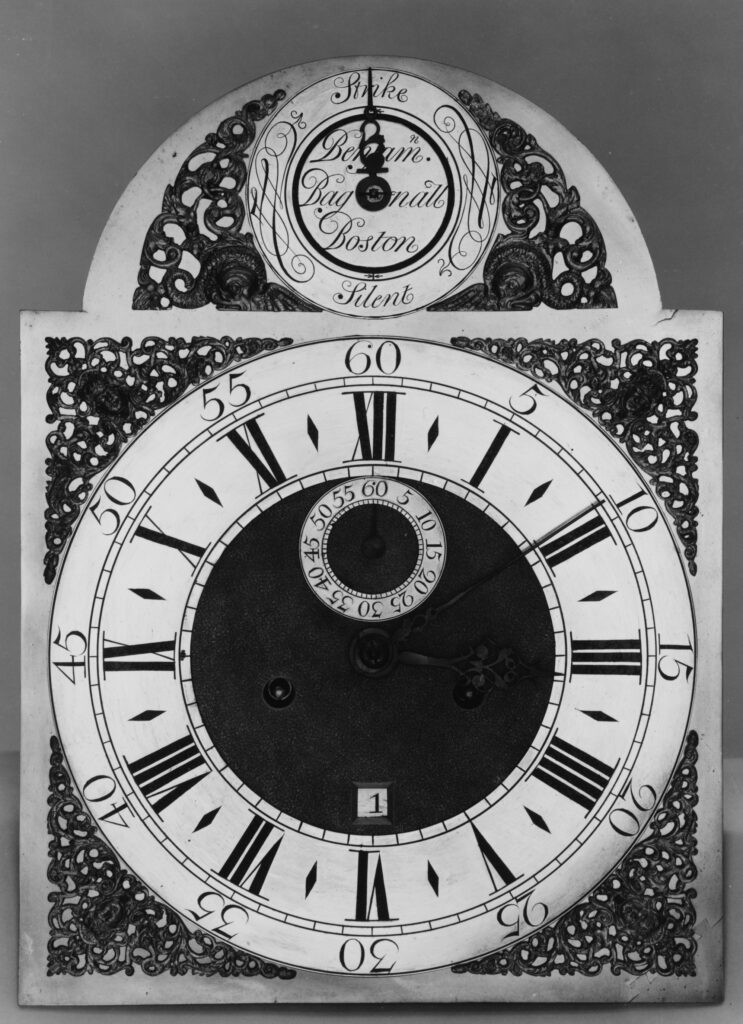
- Time has long fascinated poets. It moves quietly yet reshapes everything — youth fades, seasons turn, memories linger, and mortality approaches. Across centuries, poets have explored time as both a destroyer and a preserver.
The following famous poems about time reflect on its passage, its power, and the human desire to endure beyond it.
Time and Mortality
you may also enjoy:
Sonnet 60 (“Like as the waves make towards the pebbled shore”) — William Shakespeare
- Shakespeare compares passing minutes to waves continually advancing toward the shore. The sonnet reflects on aging and decay, while suggesting that poetry itself may preserve beauty against time.
Like as the waves make towards the pebbl’d shore,
So do our minutes hasten to their end;
Each changing place with that which goes before,
In sequent toil all forwards do contend.
Nativity, once in the main of light,
Crawls to maturity, wherewith being crown’d,
Crooked eclipses ‘gainst his glory fight,
And Time that gave doth now his gift confound.
Time doth transfix the flourish set on youth
And delves the parallels in beauty’s brow,
Feeds on the rarities of nature’s truth,
And nothing stands but for his scythe to mow:
And yet to times in hope my verse shall stand,
Praising thy worth, despite his cruel hand.
Because I could not stop for Death — Emily Dickinson
- Dickinson presents time as a journey beyond earthly life. The poem moves calmly through stages of existence, reflecting on eternity and the slow unfolding of time.
Because I could not stop for Death –
He kindly stopped for me –
The Carriage held but just Ourselves –
And Immortality.
We slowly drove – He knew no haste
And I had put away
My labor and my leisure too,
For His Civility –
We passed the School, where Children strove
At Recess – in the Ring –
We passed the Fields of Gazing Grain –
We passed the Setting Sun –
Or rather – He passed Us –
The Dews drew quivering and Chill –
For only Gossamer, my Gown –
My Tippet – only Tulle –
We paused before a House that seemed
A Swelling of the Ground –
The Roof was scarcely visible –
The Cornice – in the Ground –
Since then – ’tis Centuries – and yet
Feels shorter than the Day
I first surmised the Horses’ Heads
Were toward Eternity –
To the Virgins, to Make Much of Time — Robert Herrick
- Herrick famously urges readers to “gather ye rosebuds while ye may.” The poem captures the fleeting nature of youth and encourages action before time slips away.
Gather ye rose-buds while ye may,
Old Time is still a-flying;
And this same flower that smiles today
Tomorrow will be dying.
The glorious lamp of heaven, the sun,
The higher he’s a-getting,
The sooner will his race be run,
And nearer he’s to setting.
That age is best which is the first,
When youth and blood are warmer;
But being spent, the worse, and worst
Times still succeed the former.
Then be not coy, but use your time,
And while ye may, go marry;
For having lost but once your prime,
You may forever tarry.
Time and Change
Nothing Gold Can Stay — Robert Frost
- Frost observes how quickly beauty fades in nature. In just a few lines, he shows how time transforms even the most radiant moments.
Nature’s first green is gold,
Her hardest hue to hold.
Her early leaf’s a flower;
But only so an hour.
Then leaf subsides to leaf.
So Eden sank to grief,
So dawn goes down to day.
Nothing gold can stay.
Sonnet 18 (“Shall I compare thee to a summer’s day?”) — William Shakespeare
- Shakespeare contrasts temporary summer beauty with the lasting power of verse. The poem suggests that art can preserve a moment against time’s erosion.
Shall I compare thee to a summer’s day?
Thou art more lovely and more temperate:
Rough winds do shake the darling buds of May,
And summer’s lease hath all too short a date;
Sometime too hot the eye of heaven shines,
And often is his gold complexion dimm’d;
And every fair from fair sometime declines,
By chance or nature’s changing course untrimm’d;
But thy eternal summer shall not fade,
Nor lose possession of that fair thou ow’st;
Nor shall death brag thou wander’st in his shade,
When in eternal lines to time thou grow’st:
So long as men can breathe or eyes can see,
So long lives this, and this gives life to thee.
The World Is Too Much with Us — William Wordsworth
- Wordsworth reflects on humanity’s growing distance from nature. Though not explicitly about time, the poem implies a loss of spiritual awareness across generations.
The world is too much with us; late and soon,
Getting and spending, we lay waste our powers;—
Little we see in Nature that is ours;
We have given our hearts away, a sordid boon!
This Sea that bares her bosom to the moon;
The winds that will be howling at all hours,
And are up-gathered now like sleeping flowers;
For this, for everything, we are out of tune;
It moves us not. Great God! I’d rather be
A Pagan suckled in a creed outworn;
So might I, standing on this pleasant lea,
Have glimpses that would make me less forlorn;
Have sight of Proteus rising from the sea;
Or hear old Triton blow his wreathèd horn.
Time and Reflection
Ozymandias — Percy Bysshe Shelley
- Shelley portrays a ruined statue in the desert as a symbol of time’s supremacy over power. Even the greatest empires eventually fade.
I met a traveller from an antique land,
Who said—“Two vast and trunkless legs of stone
Stand in the desert. . . . Near them, on the sand,
Half sunk a shattered visage lies, whose frown,
And wrinkled lip, and sneer of cold command,
Tell that its sculptor well those passions read
Which yet survive, stamped on these lifeless things,
The hand that mocked them, and the heart that fed;
And on the pedestal, these words appear:
My name is Ozymandias, King of Kings;
Look on my Works, ye Mighty, and despair!”
Nothing beside remains. Round the decay
Of that colossal Wreck, boundless and bare
The lone and level sands stretch far away.
The Chambered Nautilus — Oliver Wendell Holmes Sr.
- Holmes uses the metaphor of a growing shell to represent personal development over time. Rather than fearing time, the poem embraces growth through life’s stages.
This is the ship of pearl, which, poets feign,
Sails the unshadowed main,—
The venturous bark that flings
On the sweet summer wind its purpled wings
In gulfs enchanted, where the Siren sings,
And coral reefs lie bare,
Where the cold sea-maids rise to sun their streaming hair.
Its webs of living gauze no more unfurl;
Wrecked is the ship of pearl!
And every chambered cell,
Where its dim dreaming life was wont to dwell,
As the frail tenant shaped his growing shell,
Before thee lies revealed,—
Its irised ceiling rent, its sunless crypt unsealed!
Year after year beheld the silent toil
That spread his lustrous coil;
Still, as the spiral grew,
He left the past year’s dwelling for the new,
Stole with soft step its shining archway through,
Built up its idle door,
Stretched in his last-found home, and knew the old no more.
Thanks for the heavenly message brought by thee,
Child of the wandering sea,
Cast from her lap, forlorn!
From thy dead lips a clearer note is born
Than ever Triton blew from wreathèd horn!
While on mine ear it rings,
Through the deep caves of thought I hear a voice that sings:—
Build thee more stately mansions, O my soul,
As the swift seasons roll!
Leave thy low-vaulted past!
Let each new temple, nobler than the last,
Shut thee from heaven with a dome more vast,
Till thou at length art free,
Leaving thine outgrown shell by life’s unresting sea!
How Poets Write About Time
- Across these works, time appears in different forms:
- As a force that ages and destroys
- As a reminder to act boldly
- As a path toward spiritual reflection
- As something art attempts to resist
- As a quiet companion to memory
- Some poets mourn time’s passing, while others urge readers to use it wisely.
Final Thoughts
- Famous poems about time remain powerful because time touches every life. Whether through love, ambition, youth, or mortality, poets remind us that time both limits and shapes human experience.
- If you enjoyed this collection, you may also explore poems about life, poems about death, and poems about meaning.
You might enjoy: