
You may also enjoy:
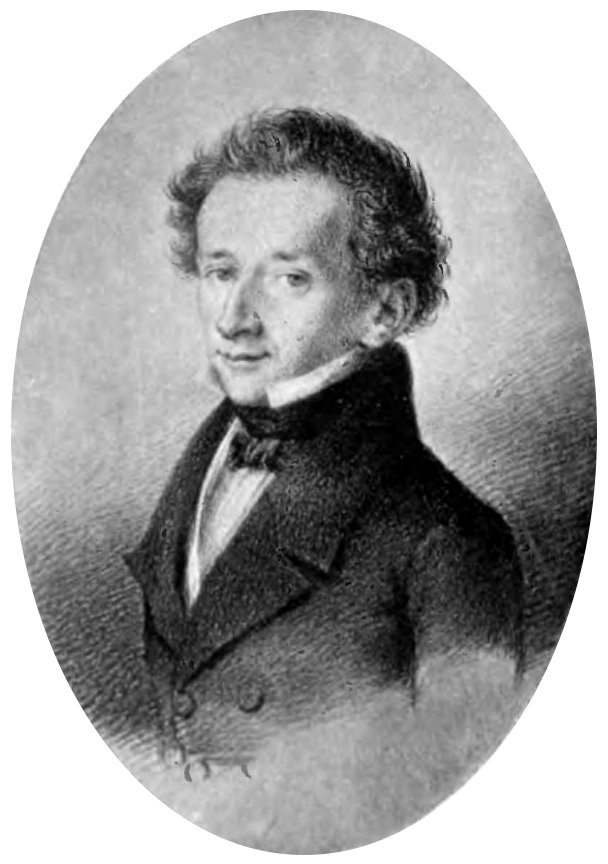
Giacomo Leopardi (29 June 1798 – 14 June 1837) was an Italian poet, philosopher, and scholar widely regarded as one of Italy’s greatest literary figures. Known for his profound melancholy, philosophical depth, and lyrical beauty, Leopardi explored themes of nature, solitude, illusion, mortality, and human suffering. His poetry remains deeply influential for its emotional honesty and its exploration of life’s fleeting beauty.
Born: 29 June 1798, Recanati, Papal States
Died: 14 June 1837, Naples, Kingdom of the Two Sicilies
Nationality: Italian
Main themes:
• Infinity and the sublime
• Solitude and reflection
• Youth and lost hope
• Nature and indifference
• Mortality and time
• Human suffering and illusion
Why Read Giacomo Leopardi
Giacomo Leopardi’s poetry remains powerful because it combines emotional lyricism with philosophical depth. His poems often confront loneliness, mortality, and the limits of happiness, while still finding beauty in memory and imagination.
“L’Infinito (The Infinite)”
Leopardi’s most famous poem, reflecting on solitude, imagination, and the vastness beyond human understanding.
Always dear to me was this lonely hill,
And this hedge, which from so great a part
Of the farthest horizon shuts the view.
But sitting and gazing, boundless
Spaces beyond it, and superhuman
Silences, and profoundest quiet
I feign in thought;
Whereat my heart
Almost is afraid. And as I hear
The wind stir through these branches, I compare
That infinite silence to this voice:
And the eternal comes to mind,
And the dead seasons,
And the present and living one, and its sound.
And in that immensity my thought is drowned:
And sweet it is to shipwreck in this sea.
—
“To Silvia” (excerpt)
A deeply moving poem about youth, beauty, and the collapse of hope.
Silvia, dost thou still remember
That season of thy mortal life,
When beauty shone
In thy shy and smiling eyes,
And thou, glad and thoughtful,
The threshold of youth wert crossing?
Then life appeared
Before us rich with hope:
And all the paths of fate
Seemed smiling.
Alas, how different now!
Why dost thou not return,
O dear companion of my spring?
—
“To Himself”
One of Leopardi’s bleakest poems, confronting disillusionment and the death of hope.
Now thou shalt rest forever,
My weary heart.
Perished is the last illusion,
Which I believed eternal.
Perished. I feel
Not only hope,
But even the desire
For dear delusions.
Rest forever.
—
“The Quiet After the Storm” (excerpt)
A reflection on relief, happiness, and the brief sweetness that follows pain.
The storm has passed:
I hear the birds making merry again,
And the hen,
Returned to the road,
Repeats her song.
The sky is clear,
The river sparkles,
And every heart
Seems glad again.
Pleasure is but
The child of pain.
—
“The Evening of the Holiday” (excerpt)
A quiet meditation on stillness, memory, and the emptiness left after joy.
Sweet and clear is the night,
And without wind;
And quiet above the roofs and gardens
Rests the moon.
Far off
The noise and cry of labor
Dies away little by little.
All things are still:
And I think
Of vanished days.
—
“The Setting of the Moon” (excerpt)
A brief and melancholy poem about fading youth and the passage of time.
As the moon declines
Behind the lonely hills,
And darkens all the earth,
So youth departs,
And leaves behind
Only remembrance.
—
“La Ginestra (Broom)” (excerpt)
One of Leopardi’s great philosophical poems, confronting nature’s indifference and human fragility.
Here on the barren back
Of the formidable mountain,
Destroyer of men,
The broom,
Content with the deserts,
Spreads its fragrant bushes.
Man, frail and foolish,
Dreams of immortality;
Yet nature cares not
For his hopes.
How to Start Reading Giacomo Leopardi
For infinity and imagination, begin with “L’Infinito.”
For youth, memory, and lost hope, read “To Silvia.”
For Leopardi’s darkest philosophy, explore “To Himself.”
For fleeting happiness and reflection, begin with “The Quiet After the Storm.”
For nature and philosophical depth, read “La Ginestra.”
Final Thoughts
Giacomo Leopardi’s poetry endures because it faces life’s sorrow without illusion while still preserving moments of extraordinary beauty. Through solitude, memory, and reflection, his work continues to speak to readers searching for meaning in an uncertain world.
You might enjoy: