
Introduction
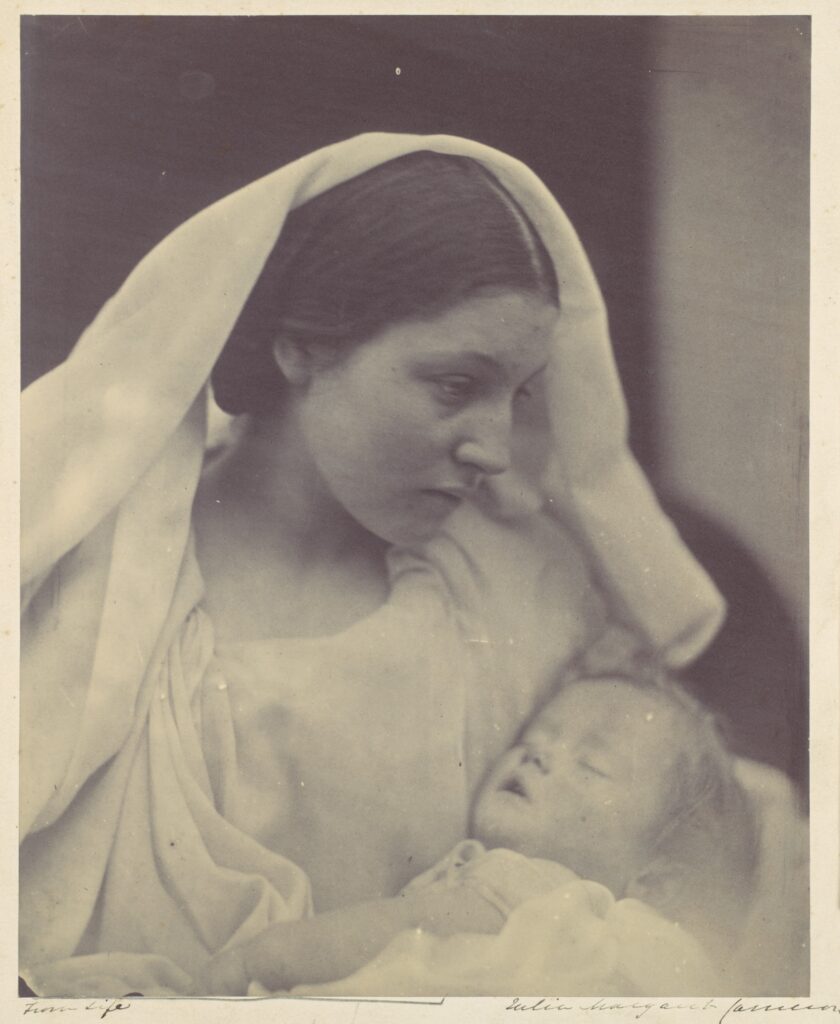
- Motherhood has long been a central theme in poetry. Across centuries, poets have written about maternal love, sacrifice, guidance, loss, and memory. These famous poems about motherhood explore the emotional depth and lasting influence of mothers in both private and public life.
Why Poets Write About Motherhood
You may also enjoy:
- Motherhood represents care, protection, and formative influence. In poetry, it often appears as devotion, remembrance, gratitude, or reflection on childhood and family bonds.
Poems of Maternal Love
“To My Mother” — Edgar Allan Poe
- Poe honors the nurturing love of a mother figure, blending affection with reverence.
Because I feel that, in the Heavens above,
The angels, whispering to one another,
Can find, among their burning terms of love,
None so devotional as that of “Mother,”
Therefore by that dear name I long have called you—
You who are more than mother unto me,
And fill my heart of hearts, where Death installed you
In setting my Virginia’s spirit free.
My mother—my own mother, who died early,
Was but the mother of myself; but you
Are mother to the one I loved so dearly,
And thus are dearer than the mother I knew
By that infinity with which my wife
Was dearer to my soul than its soul-life.
“To My Mother” — Christina Rossetti
- Rossetti expresses gratitude and tenderness, emphasizing enduring love and respect.
To-day’s your natal day;
Sweet flowers I bring:
Mother, accept, I pray
My offering.
And may you happy live,
And long us bless;
Receiving as you give
Great happiness.
Motherhood and Memory
“Mother and Poet” — Elizabeth Barrett Browning
- Browning writes from the perspective of a grieving mother, blending national pride with personal sorrow.
I.
Dead ! One of them shot by the sea in the east,
And one of them shot in the west by the sea.
Dead ! both my boys ! When you sit at the feast
And are wanting a great song for Italy free,
Let none look at me !
II.
Yet I was a poetess only last year,
And good at my art, for a woman, men said ;
But this woman, this, who is agonized here,
— The east sea and west sea rhyme on in her head
For ever instead.
III.
What art can a woman be good at ? Oh, vain !
What art is she good at, but hurting her breast
With the milk-teeth of babes, and a smile at the pain ?
Ah boys, how you hurt ! you were strong as you pressed,
And I proud, by that test.
IV.
What art’s for a woman ? To hold on her knees
Both darlings ! to feel all their arms round her throat,
Cling, strangle a little ! to sew by degrees
And ‘broider the long-clothes and neat little coat ;
To dream and to doat.
V.
To teach them … It stings there ! I made them indeed
Speak plain the word country. I taught them, no doubt,
That a country’s a thing men should die for at need.
I prated of liberty, rights, and about
The tyrant cast out.
VI.
And when their eyes flashed … O my beautiful eyes ! …
I exulted ; nay, let them go forth at the wheels
Of the guns, and denied not. But then the surprise
When one sits quite alone ! Then one weeps, then one kneels !
God, how the house feels !
VII.
At first, happy news came, in gay letters moiled
With my kisses, — of camp-life and glory, and how
They both loved me ; and, soon coming home to be spoiled
In return would fan off every fly from my brow
With their green laurel-bough.
VIII.
Then was triumph at Turin : Ancona was free !’
And some one came out of the cheers in the street,
With a face pale as stone, to say something to me.
My Guido was dead ! I fell down at his feet,
While they cheered in the street.
IX.
I bore it ; friends soothed me ; my grief looked sublime
As the ransom of Italy. One boy remained
To be leant on and walked with, recalling the time
When the first grew immortal, while both of us strained
To the height he had gained.
X.
And letters still came, shorter, sadder, more strong,
Writ now but in one hand, I was not to faint, —
One loved me for two — would be with me ere long :
And Viva l’ Italia ! — he died for, our saint,
Who forbids our complaint.”
XI.
My Nanni would add, he was safe, and aware
Of a presence that turned off the balls, — was imprest
It was Guido himself, who knew what I could bear,
And how ’twas impossible, quite dispossessed,
To live on for the rest.”
XII.
On which, without pause, up the telegraph line
Swept smoothly the next news from Gaeta : — Shot.
Tell his mother. Ah, ah, his, ‘ their ‘ mother, — not mine, ‘
No voice says “My mother” again to me. What !
You think Guido forgot ?
XIII.
Are souls straight so happy that, dizzy with Heaven,
They drop earth’s affections, conceive not of woe ?
I think not. Themselves were too lately forgiven
Through THAT Love and Sorrow which reconciled so
The Above and Below.
XIV.
O Christ of the five wounds, who look’dst through the dark
To the face of Thy mother ! consider, I pray,
How we common mothers stand desolate, mark,
Whose sons, not being Christs, die with eyes turned away,
And no last word to say !
XV.
Both boys dead ? but that’s out of nature. We all
Have been patriots, yet each house must always keep one.
‘Twere imbecile, hewing out roads to a wall ;
And, when Italy ‘s made, for what end is it done
If we have not a son ?
XVI.
Ah, ah, ah ! when Gaeta’s taken, what then ?
When the fair wicked queen sits no more at her sport
Of the fire-balls of death crashing souls out of men ?
When the guns of Cavalli with final retort
Have cut the game short ?
XVII.
When Venice and Rome keep their new jubilee,
When your flag takes all heaven for its white, green, and red,
When you have your country from mountain to sea,
When King Victor has Italy’s crown on his head,
(And I have my Dead) —
XVIII.
What then ? Do not mock me. Ah, ring your bells low,
And burn your lights faintly ! My country is there,
Above the star pricked by the last peak of snow :
My Italy ‘s THERE, with my brave civic Pair,
To disfranchise despair !
XIX.
Forgive me. Some women bear children in strength,
And bite back the cry of their pain in self-scorn ;
But the birth-pangs of nations will wring us at length
Into wail such as this — and we sit on forlorn
When the man-child is born.
XX.
Dead ! One of them shot by the sea in the east,
And one of them shot in the west by the sea.
Both ! both my boys ! If in keeping the feast
You want a great song for your Italy free,
Let none look at me !
Motherhood and Childhood
“Rock Me to Sleep” — Elizabeth Akers Allen
- A nostalgic poem reflecting on childhood comfort and longing for maternal care.
Backward, turn backward, O Time, in your flight,
Make me a child again just for tonight!
Mother, come back from the echoless shore,
Take me again to your heart as of yore;
Kiss from my forehead the furrows of care,
Smooth the few silver threads out of my hair;
Over my slumbers your loving watch keep;—
Rock me to sleep, mother, – rock me to sleep!
Backward, flow backward, O tide of the years!
I am so weary of toil and of tears,—
Toil without recompense, tears all in vain,—
Take them, and give me my childhood again!
I have grown weary of dust and decay,—
Weary of flinging my soul-wealth away;
Weary of sowing for others to reap;—
Rock me to sleep, mother – rock me to sleep!
Tired of the hollow, the base, the untrue,
Mother, O mother, my heart calls for you!
Many a summer the grass has grown green,
Blossomed and faded, our faces between:
Yet, with strong yearning and passionate pain,
Long I tonight for your presence again.
Come from the silence so long and so deep;—
Rock me to sleep, mother, – rock me to sleep!
Over my heart, in the days that are flown,
No love like mother-love ever has shone;
No other worship abides and endures,—
Faithful, unselfish, and patient like yours:
None like a mother can charm away pain
From the sick soul and the world-weary brain.
Slumber’s soft calms o’er my heavy lids creep;—
Rock me to sleep, mother, – rock me to sleep!
Come, let your brown hair, just lighted with gold,
Fall on your shoulders again as of old;
Let it drop over my forehead tonight,
Shading my faint eyes away from the light;
For with its sunny-edged shadows once more
Haply will throng the sweet visions of yore;
Lovingly, softly, its bright billows sweep;—
Rock me to sleep, mother, – rock me to sleep!
Mother, dear mother, the years have been long
Since I last listened your lullaby song:
Sing, then, and unto my soul it shall seem
Womanhood’s years have been only a dream.
Clasped to your heart in a loving embrace,
With your light lashes just sweeping my face,
Never hereafter to wake or to weep;—
Rock me to sleep, mother, – rock me to sleep!
How to Choose a Poem About Motherhood
- For gratitude and tribute, select affectionate lyric poems.
- For reflection on loss, consider elegiac or memorial works.
- For themes of sacrifice or resilience, look to Victorian poets.
- For nostalgic childhood imagery, choose sentimental 19th-century verse.
Final Thoughts
- Famous poems about motherhood endure because maternal influence shapes both memory and identity. Through praise, remembrance, and reflection, poets capture the enduring presence of mothers in human experience.
You might enjoy: