Introduction
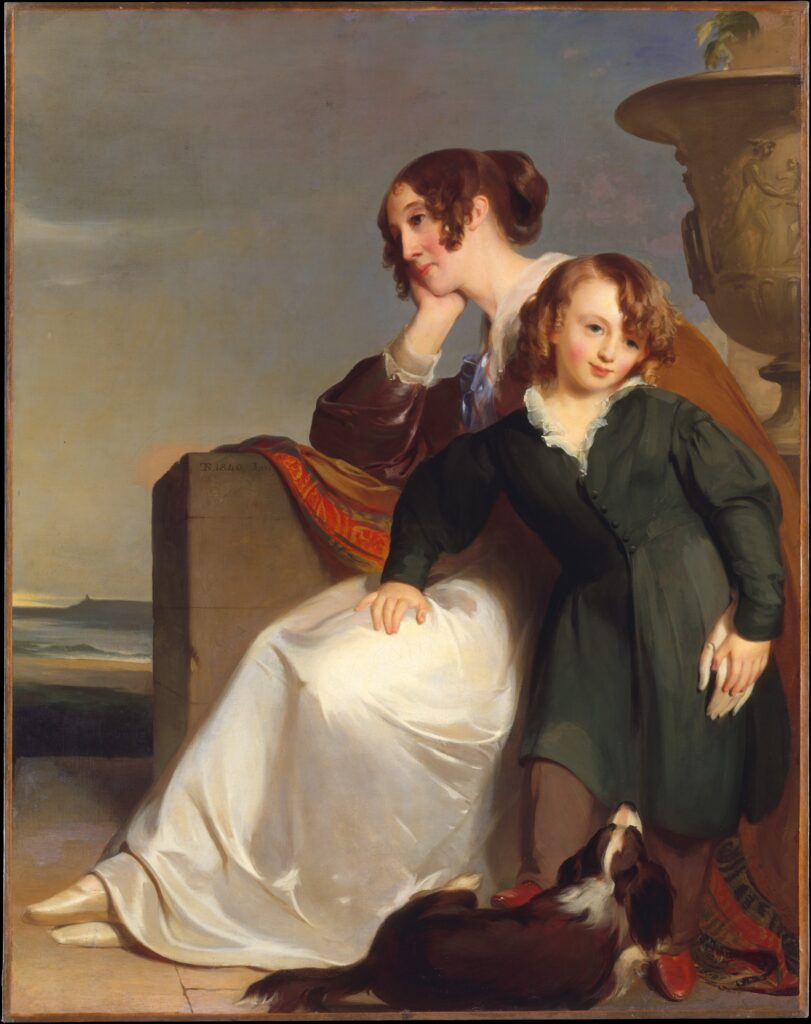
- Motherhood has inspired some of the most enduring poems in literary history.
- Across cultures and centuries, poets have written about mothers to express love, gratitude, grief, and moral reflection.
- From famous Mother’s Day poems to serious explorations of motherhood and family bonds, these works continue to resonate with readers today.
Why Mothers Are a Timeless Subject in Poetry
- Mothers often symbolize origin, protection, and emotional grounding.
- In poetry, motherhood can represent both comfort and sacrifice.
- Because the experience of having a mother is nearly universal, poems about mothers tend to remain relevant across generations.
Famous Poems to Mothers
You may also enjoy:
“To My Mother” — Edgar Allan Poe
- A deeply personal tribute expressing gratitude and devotion.
- Often regarded as one of the most famous poems written directly to a mother.
- Frequently read or shared on Mother’s Day due to its emotional clarity.
Because I feel that, in the Heavens above,
The angels, whispering to one another,
Can find, among their burning terms of love,
None so devotional as that of “Mother,”
Therefore by that dear name I long have called you—
You who are more than mother unto me,
And fill my heart of hearts, where Death installed you
In setting my Virginia’s spirit free.
My mother—my own mother, who died early,
Was but the mother of myself; but you
Are mother to the one I loved so dearly,
And thus are dearer than the mother I knew
By that infinity with which my wife
Was dearer to my soul than its soul-life.
“To my Mother” — Christina Rossetti
- A restrained and reflective poem honoring maternal care.
- Known for its simplicity and devotional tone.
- Well suited for quiet reading or public recitation.
To-day’s your natal day,
Sweet flowers I bring;
Mother, accept, I pray,
My offering.
And may you happy live,
And long us bless;
Receiving as you give
Great happiness.
Famous Mother’s Day Poems
“To My Mother” — Edgar Allan Poe
- Commonly included in Mother’s Day poetry collections.
- Valued for its sincerity and brevity.
- Works well for readings, cards, and commemorative occasions
Famous Motherhood Poems
“Mother and Poet” — Elizabeth Barrett Browning
- Explores motherhood alongside grief, sacrifice, and moral duty.
- One of the most serious and emotionally complex poems about motherhood.
- Often studied for its ethical and symbolic depth.
I.
Dead ! One of them shot by the sea in the east,
And one of them shot in the west by the sea.
Dead ! both my boys ! When you sit at the feast
And are wanting a great song for Italy free,
Let none look at me !
II.
Yet I was a poetess only last year,
And good at my art, for a woman, men said ;
But this woman, this, who is agonized here,
— The east sea and west sea rhyme on in her head
For ever instead.
III.
What art can a woman be good at ? Oh, vain !
What art is she good at, but hurting her breast
With the milk-teeth of babes, and a smile at the pain ?
Ah boys, how you hurt ! you were strong as you pressed,
And I proud, by that test.
IV.
What art’s for a woman ? To hold on her knees
Both darlings ! to feel all their arms round her throat,
Cling, strangle a little ! to sew by degrees
And ‘broider the long-clothes and neat little coat ;
To dream and to doat.
V.
To teach them … It stings there ! I made them indeed
Speak plain the word country. I taught them, no doubt,
That a country’s a thing men should die for at need.
I prated of liberty, rights, and about
The tyrant cast out.
VI.
And when their eyes flashed … O my beautiful eyes ! …
I exulted ; nay, let them go forth at the wheels
Of the guns, and denied not. But then the surprise
When one sits quite alone ! Then one weeps, then one kneels !
God, how the house feels !
VII.
At first, happy news came, in gay letters moiled
With my kisses, — of camp-life and glory, and how
They both loved me ; and, soon coming home to be spoiled
In return would fan off every fly from my brow
With their green laurel-bough.
VIII.
Then was triumph at Turin : Ancona was free !’
And some one came out of the cheers in the street,
With a face pale as stone, to say something to me.
My Guido was dead ! I fell down at his feet,
While they cheered in the street.
IX.
I bore it ; friends soothed me ; my grief looked sublime
As the ransom of Italy. One boy remained
To be leant on and walked with, recalling the time
When the first grew immortal, while both of us strained
To the height he had gained.
X.
And letters still came, shorter, sadder, more strong,
Writ now but in one hand, I was not to faint, —
One loved me for two — would be with me ere long :
And Viva l’ Italia ! — he died for, our saint,
Who forbids our complaint.”
XI.
My Nanni would add, he was safe, and aware
Of a presence that turned off the balls, — was imprest
It was Guido himself, who knew what I could bear,
And how ’twas impossible, quite dispossessed,
To live on for the rest.”
XII.
On which, without pause, up the telegraph line
Swept smoothly the next news from Gaeta : — Shot.
Tell his mother. Ah, ah, his, ‘ their ‘ mother, — not mine, ‘
No voice says “My mother” again to me. What !
You think Guido forgot ?
XIII.
Are souls straight so happy that, dizzy with Heaven,
They drop earth’s affections, conceive not of woe ?
I think not. Themselves were too lately forgiven
Through THAT Love and Sorrow which reconciled so
The Above and Below.
XIV.
O Christ of the five wounds, who look’dst through the dark
To the face of Thy mother ! consider, I pray,
How we common mothers stand desolate, mark,
Whose sons, not being Christs, die with eyes turned away,
And no last word to say !
XV.
Both boys dead ? but that’s out of nature. We all
Have been patriots, yet each house must always keep one.
‘Twere imbecile, hewing out roads to a wall ;
And, when Italy ‘s made, for what end is it done
If we have not a son ?
XVI.
Ah, ah, ah ! when Gaeta’s taken, what then ?
When the fair wicked queen sits no more at her sport
Of the fire-balls of death crashing souls out of men ?
When the guns of Cavalli with final retort
Have cut the game short ?
XVII.
When Venice and Rome keep their new jubilee,
When your flag takes all heaven for its white, green, and red,
When you have your country from mountain to sea,
When King Victor has Italy’s crown on his head,
(And I have my Dead) —
XVIII.
What then ? Do not mock me. Ah, ring your bells low,
And burn your lights faintly ! My country is there,
Above the star pricked by the last peak of snow :
My Italy ‘s THERE, with my brave civic Pair,
To disfranchise despair !
XIX.
Forgive me. Some women bear children in strength,
And bite back the cry of their pain in self-scorn ;
But the birth-pangs of nations will wring us at length
Into wail such as this — and we sit on forlorn
When the man-child is born.
XX.
Dead ! One of them shot by the sea in the east,
And one of them shot in the west by the sea.
Both ! both my boys ! If in keeping the feast
You want a great song for your Italy free,
Let none look at me !
“Rock Me to Sleep” — Elizabeth Akers Allen
- Expresses longing for maternal comfort later in life.
- Reflects the enduring emotional power of childhood security.
- Widely anthologized and remembered for its emotional appeal.
Backward, turn backward, O Time, in your flight,
Make me a child again just for tonight!
Mother, come back from the echoless shore,
Take me again to your heart as of yore;
Kiss from my forehead the furrows of care,
Smooth the few silver threads out of my hair;
Over my slumbers your loving watch keep;—
Rock me to sleep, mother, – rock me to sleep!
Backward, flow backward, O tide of the years!
I am so weary of toil and of tears,—
Toil without recompense, tears all in vain,—
Take them, and give me my childhood again!
I have grown weary of dust and decay,—
Weary of flinging my soul-wealth away;
Weary of sowing for others to reap;—
Rock me to sleep, mother – rock me to sleep!
Tired of the hollow, the base, the untrue,
Mother, O mother, my heart calls for you!
Many a summer the grass has grown green,
Blossomed and faded, our faces between:
Yet, with strong yearning and passionate pain,
Long I tonight for your presence again.
Come from the silence so long and so deep;—
Rock me to sleep, mother, – rock me to sleep!
Over my heart, in the days that are flown,
No love like mother-love ever has shone;
No other worship abides and endures,—
Faithful, unselfish, and patient like yours:
None like a mother can charm away pain
From the sick soul and the world-weary brain.
Slumber’s soft calms o’er my heavy lids creep;—
Rock me to sleep, mother, – rock me to sleep!
Come, let your brown hair, just lighted with gold,
Fall on your shoulders again as of old;
Let it drop over my forehead tonight,
Shading my faint eyes away from the light;
For with its sunny-edged shadows once more
Haply will throng the sweet visions of yore;
Lovingly, softly, its bright billows sweep;—
Rock me to sleep, mother, – rock me to sleep!
Mother, dear mother, the years have been long
Since I last listened your lullaby song:
Sing, then, and unto my soul it shall seem
Womanhood’s years have been only a dream.
Clasped to your heart in a loving embrace,
With your light lashes just sweeping my face,
Never hereafter to wake or to weep;—
Rock me to sleep, mother, – rock me to sleep!
Mother’s Day Poems vs. Poems About Motherhood
- Mother’s Day poems are often celebratory and direct.
- Poems about motherhood may explore grief, sacrifice, or anxiety.
- Many famous poems about mothers naturally overlap both categories.
- Readers often choose based on the occasion and emotional tone.
How to Choose a Poem About Mothers
- Consider whether the tone should be joyful or reflective.
- Short poems work well for public readings or cards.
- Narrative poems are better suited for private reading.
- The most meaningful poems are often those that reflect personal experience.
Final Thoughts
- Classic poems about mothers continue to endure because they address universal emotions.
- Whether read as famous Mother’s Day poems or studied as serious literary works, these poems offer comfort and insight.
- Returning to these poems allows readers to reflect on motherhood across generations.
You might enjoy:
I was trying to find out if I could increase the RAM on my laptop. While
looking for answers I discovered https://znayka.com.ua.
I couldn’t find detailed specifications on most websites. Many sources were missing key details.
On this site I found practical upgrade information, along with clear diagrams that made everything much easier to understand.
I can confidently recommend this resource if you want reliable information about laptops and hardware upgrades.
Під час пошуку корисних матеріалів про холодильне обладнання.
Знайшов цей ресурс під час пошуку https://lbook.com.ua/2026/06/okupnist-holodilnogo-obladnannya-rahuyemo-vigodu-vid-perehodu-na-universalni-vitrini/
Тут доступно зрозуміле пояснення щодо вибору холодильного обладнання.
Матеріал виявився корисним.
Гадаю, багатьом буде корисно, якщо вас цікавить холодильні вітрини.