
Introduction
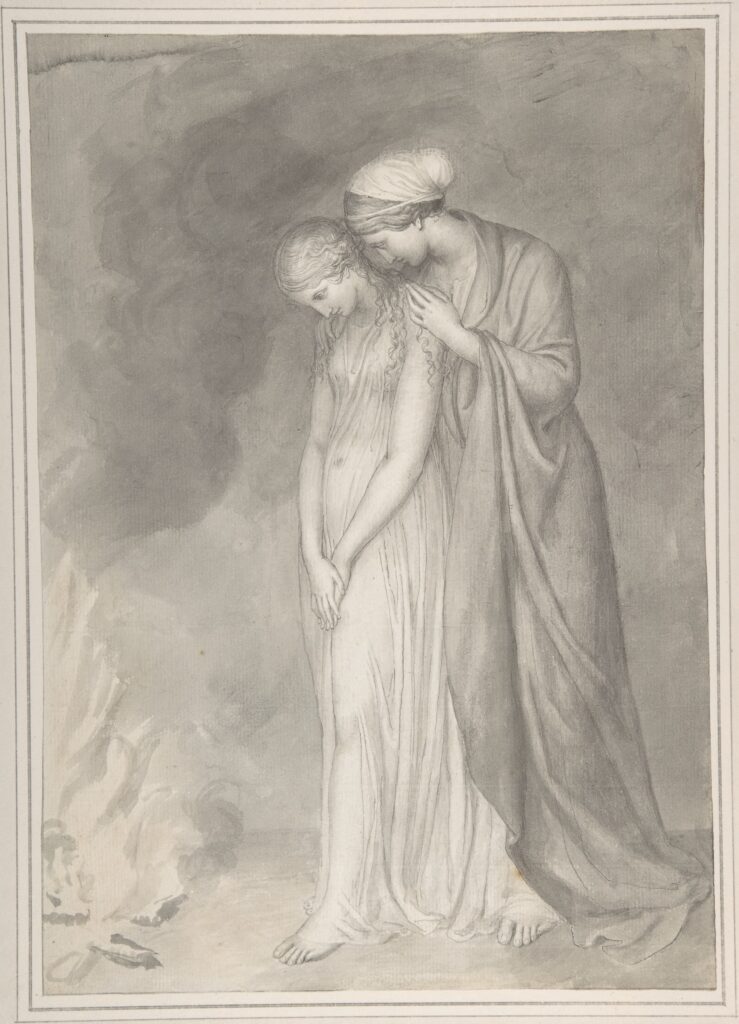
- Grief is one of the most universal human experiences, and poetry has long offered comfort in times of loss.
- Across centuries, poets have written words meant to console, reflect, and help the grieving endure sorrow.
- These famous poems to comfort the grieving offer reassurance, remembrance, and quiet hope during difficult moments.
Why Poetry Can Bring Comfort in Grief
- Poetry gives language to emotions that are difficult to express.
- Poems for grief often focus on memory, love, and endurance rather than explanation.
- For many readers, poetry provides solace when ordinary words fall short.
Famous Poems to Comfort the Grieving
You may also enjoy:
“Do Not Stand at My Grave and Weep” — Mary Elizabeth Frye
- One of the most widely shared poems for those in mourning.
- Emphasizes presence, continuity, and remembrance rather than absence.
- Frequently read at funerals and memorial services.
Do not stand at my grave and weep
I am not there. I do not sleep.
I am a thousand winds that blow.
I am the diamond glints on snow.
I am the sunlight on ripened grain.
I am the gentle autumn rain.
When you awaken in the morning’s hush
I am the swift uplifting rush
Of quiet birds in circled flight.
I am the soft stars that shine at night.
Do not stand at my grave and cry;
I am not there. I did not die.
“Death Is Nothing at All” — Henry Scott-Holland
- Written as a sermon but widely regarded as a poem.
- Focuses on the idea that love and connection remain after death.
- Commonly shared with those experiencing recent loss.
Death is nothing at all.
I have only slipped away to the next room.
I am I and you are you.
Whatever we were to each other,
That, we still are.
Call me by my old familiar name.
Speak to me in the easy way
which you always used.
Put no difference into your tone.
Wear no forced air of solemnity or sorrow.
Laugh as we always laughed
at the little jokes we enjoyed together.
Play, smile, think of me. Pray for me.
Let my name be ever the household word
that it always was.
Let it be spoken without effect.
Without the trace of a shadow on it.
Life means all that it ever meant.
It is the same that it ever was.
There is absolute unbroken continuity.
Why should I be out of mind
because I am out of sight?
I am but waiting for you.
For an interval.
Somewhere. Very near.
Just around the corner.
All is well.
Famous Poems About Grief and Loss
“Because I could not stop for Death” — Emily Dickinson
- Uses calm imagery to approach death without fear.
- Reflects on mortality, time, and eternity.
- Often found comforting for its peaceful tone.
Because I could not stop for Death –
He kindly stopped for me –
The Carriage held but just Ourselves –
And Immortality.
We slowly drove – He knew no haste
And I had put away
My labor and my leisure too,
For His Civility –
We passed the School, where Children strove
At Recess – in the Ring –
We passed the Fields of Gazing Grain –
We passed the Setting Sun –
Or rather – He passed Us –
The Dews drew quivering and Chill –
For only Gossamer, my Gown –
My Tippet – only Tulle –
We paused before a House that seemed
A Swelling of the Ground –
The Roof was scarcely visible –
The Cornice – in the Ground –
Since then – ’tis Centuries – and yet
Feels shorter than the Day
I first surmised the Horses’ Heads
Were toward Eternity
Famous Funeral Poems and Memorial Poems “Crossing the Bar” — Alfred, Lord Tennyson
- Written as a metaphor for death as a peaceful journey.
- Often requested for funerals and memorial readings.
- Emphasizes calm acceptance rather than sorrow.
Sunset and evening star,
And one clear call for me!
And may there be no moaning of the bar,
When I put out to sea,
But such a tide as moving seems asleep,
Too full for sound and foam,
When that which drew from out the boundless deep
Turns again home.
Twilight and evening bell,
And after that the dark!
And may there be no sadness of farewell,
When I embark;
For tho’ from out our bourne of Time and Place
The flood may bear me far,
I hope to see my Pilot face to face
When I have crost the bar.
“Abide with Me” — Henry Francis Lyte
- A devotional poem often read during times of loss.
- Focuses on comfort, presence, and endurance.
- Frequently included in funeral services.
Abide with me, fast falls the eventide,
The darkness deepens; Lord, with me abide!
When other helpers fail and comforts flee,
Help of the helpless, O abide with me.
Swift to its close ebbs out life’s little day,
Earth’s joys grow dim, its glories pass away;
Change and decay in all around I see:
O Thou who changest not, abide with me.
I need Thy presence ev’ry passing hour;
What but Thy grace can foil the tempter’s pow’r?
Who, like Thyself, my guide and stay can be?
Through cloud and sunshine, O abide with me.
I fear no foe, with Thee at hand to bless;
Ills have no weight and tears no bitterness.
Where is death’s sting? Where, grave, thy victory?
I triumph still, if Thou abide with me.
Hold Thou Thy cross before my closing eyes;
Shine through the gloom and point me to the skies;
Heav’n’s morning breaks and earth’s vain shadows flee;
In life, in death, O Lord, abide with me.
Short Poems to Comfort the Grieving
“Gone from My Sight” — Henry Van Dyke
- Uses a ship metaphor to describe death and separation.
- Gentle, hopeful, and brief.
- Commonly shared with those newly grieving.
I am standing upon the seashore. A ship, at my side,
spreads her white sails to the moving breeze and starts
for the blue ocean. She is an object of beauty and strength.
I stand and watch her until, at length, she hangs like a speck
of white cloud just where the sea and sky come to mingle with each other.
Then, someone at my side says, “There, she is gone.”
Gone where?
Gone from my sight. That is all. She is just as large in mast,
hull and spar as she was when she left my side.
And, she is just as able to bear her load of living freight to her destined port.
Her diminished size is in me — not in her.
And, just at the moment when someone says, “There, she is gone,”
there are other eyes watching her coming, and other voices
ready to take up the glad shout, “Here she comes!”
And that is dying…
How to Choose a Poem for Someone Who Is Grieving
- Consider the relationship between the reader and the deceased.
- Short poems work well for cards or memorial programs.
- Longer poems may suit private reflection.
- The most comforting poems often focus on love rather than loss.
Final Thoughts
- Poems written to comfort the grieving endure because they address universal sorrow with compassion.
- Whether read privately or shared at a memorial, these poems offer reassurance during times of loss.
- Returning to poetry can help the grieving feel less alone in their experience.
You might enjoy:
Thanks , I have just been searching for information about this
topic for a while and yours is the greatest I have found out till now.
But, what concerning the conclusion? Are you certain in regards to the
source?