
Introduction
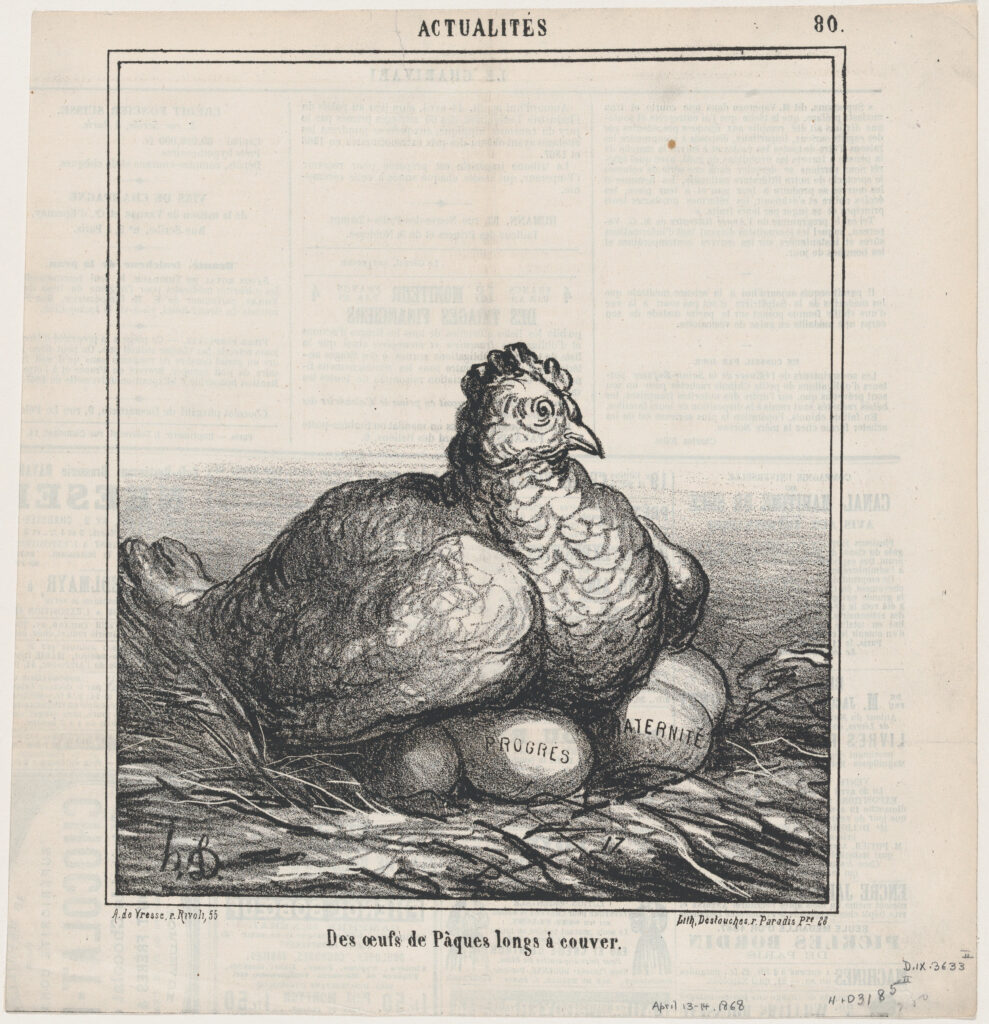
- Easter has inspired poets for centuries as a symbol of renewal, resurrection, hope, and spiritual victory.
- In Christian poetry, Easter often appears alongside themes of sacrifice, redemption, and eternal life.
- These famous Easter poems, written by some of the most respected poets in English literature, remain widely read during the Easter season.
Easter in Christian Poetry
- Easter poetry traditionally reflects resurrection rather than suffering alone.
- Many poems focus on triumph, renewal, and spiritual awakening.
- In contrast, Good Friday poems emphasize sacrifice, sorrow, and contemplation.
Famous Easter Poems
You may also enjoy:
George Herbert — “Easter”
- One of the most famous Easter poems in English literature.
- Celebrates resurrection and spiritual renewal.
- Written in a devotional yet lyrical style.
Rise heart; thy lord is risen. Sing his praise
Without delayes,
Who takes thee by the hand, that thou likewise
With him mayst rise:
That, as his death calcinèd thee to dust,
His life may make thee gold, and much more just.
Awake, my lute, and struggle for thy part
With all thy art,
The crosse taught all wood to resound his name
Who bore the same.
His stretchèd sinews taught all strings, what key
Is best to celebrate this most high day.
Consort, both heart and lute, and twist a song
Pleasant and long;
Or since all musick is but three parts vied,
And multiplied;
O let thy blessèd Spirit bear a part,
And make up our defects with his sweet art.
I got me flowers to straw yhy way;
I got me boughs off many a tree:
But thou wast up by break of day,
And brought’st thy sweets along with thee.
The Sunne arising in the East,
Though he give light, and th’ East perfume;
If they should offer to contest
With Thy arising, they presume.
Can there be any day but this,
Though many sunnes to shine endeavour?
We count three hundred, but we misse:
There is but one, and that one ever.
John Donne — “Resurrection, Imperfect”
- Explores resurrection as both physical and spiritual.
- Combines intellectual rigor with Christian belief.
- Often included in Easter poetry collections.
Sleep sleep old Sun, thou canst not have repast
As yet, the wound thou took’st on friday last;
Sleep then, and rest; The world may bearer thy stay,
A better Sun rose before thee to day,
Who, not content to’englighten all that dwell
On the earths face, as thou, enlightned hell,
And made the darker fires languish in that vale,
As, at thy presence here, our fires grow pale.
Whose body having walk’d on earth, and now
Hasting to Heaven, would, that he might allow
Himself unto all stations, and fill all,
For these three days become a mineral;
He was all gold when he lay down, but rose
All tincture, and doth not alone dispose
Leaden and iron wills to good, but is
Of power to make even sinful flesh like his.
Had one of those, whose credulous piety
Thought, that a Soul one might discern and see
Go from a body,’at this sepulcher been,
And, issuing from the sheet, this body seen,
He would have justly thought this body a soul,
If not of any man, yet of the whole.
Desunt cætera
Christina Rossetti — “Easter Day”
- Reflective and restrained meditation on Easter joy.
- Emphasizes inner renewal rather than spectacle.
- A frequently anthologized religious poem.
Words cannot utter
Christ His returning:
Mankind, keep jubilee,
Strip off your mourning,
Crown you with garlands,
Set your lamps burning.
Speech is left speechless;
Set you to singing,
Fling your hearts open wide.
Set your bells ringing:
Christ the Chief Reaper
Comes, His sheaf bringing.
Earth wakes her song-birds,
Puts on her flowers.
Leads out her lambkins.
Builds up her bowers:
This is man’s spousal day,
Christ’s day and ours.
Easter Poems by Famous Poets
John Milton — “On the Morning of Christ’s Nativity” (Easter-relevant themes)
- Though primarily a Nativity poem, it includes resurrection imagery.
- Often referenced in broader Christian seasonal poetry discussions.
- Demonstrates Milton’s theological depth.
This is the month, and this the happy morn,
Wherein the Son of Heav’n’s eternal King,
Of wedded Maid, and Virgin Mother born,
Our great redemption from above did bring;
For so the holy sages once did sing,
That he our deadly forfeit should release,
And with his Father work us a perpetual peace.
That glorious Form, that Light unsufferable,
And that far-beaming blaze of Majesty,
Wherewith he wont at Heav’n’s high council-table,
To sit the midst of Trinal Unity,
He laid aside, and here with us to be,
Forsook the courts of everlasting day,
And chose with us a darksome house of mortal clay.
Say Heav’nly Muse, shall not thy sacred vein
Afford a present to the Infant God?
Hast thou no verse, no hymn, or solemn strain,
To welcome him to this his new abode,
Now while the heav’n, by the Sun’s team untrod,
Hath took no print of the approaching light,
And all the spangled host keep watch in squadrons bright?
See how from far upon the eastern road
The star-led wizards haste with odours sweet:
O run, prevent them with thy humble ode,
And lay it lowly at his blessed feet;
Have thou the honour first thy Lord to greet,
And join thy voice unto the angel quire,
From out his secret altar touch’d with hallow’d fire.
It was the winter wild,
While the Heav’n-born child,
All meanly wrapt in the rude manger lies;
Nature in awe to him
Had doff’d her gaudy trim,
With her great Master so to sympathize:
It was no season then for her
To wanton with the Sun, her lusty paramour.
Only with speeches fair
She woos the gentle air
To hide her guilty front with innocent snow,
And on her naked shame,
Pollute with sinful blame,
The saintly veil of maiden white to throw,
Confounded, that her Maker’s eyes
Should look so near upon her foul deformities.
But he, her fears to cease,
Sent down the meek-ey’d Peace:
She, crown’d with olive green, came softly sliding
Down through the turning sphere,
His ready harbinger,
With turtle wing the amorous clouds dividing;
And waving wide her myrtle wand,
She strikes a universal peace through sea and land.
No war or battle’s sound
Was heard the world around;
The idle spear and shield were high uphung;
The hooked chariot stood
Unstain’d with hostile blood;
The trumpet spake not to the armed throng;
And kings sate still with awful eye,
As if they surely knew their sovran Lord was by.
But peaceful was the night
Wherein the Prince of Light
His reign of peace upon the earth began:
The winds with wonder whist,
Smoothly the waters kist,
Whispering new joys to the mild Ocean,
Who now hath quite forgot to rave,
While birds of calm sit brooding on the charmed wave.
The Stars with deep amaze
Stand fix’d in steadfast gaze,
Bending one way their precious influence;
And will not take their flight,
For all the morning light,
Or Lucifer that often warn’d them thence,
But in their glimmering orbs did glow,
Until their Lord himself bespake, and bid them go.
And though the shady gloom
Had given day her room,
The Sun himself withheld his wonted speed,
And hid his head for shame,
As his inferior flame
The new-enlighten’d world no more should need:
He saw a greater Sun appear
Than his bright throne or burning axle-tree could bear.
The shepherds on the lawn,
Or ere the point of dawn,
Sate simply chatting in a rustic row;
Full little thought they than
That the mighty Pan
Was kindly come to live with them below:
Perhaps their loves, or else their sheep,
Was all that did their silly thoughts so busy keep;
When such music sweet
Their hearts and ears did greet,
As never was by mortal finger strook,
Divinely warbled voice
Answering the stringed noise,
As all their souls in blissful rapture took:
The air such pleasure loth to lose,
With thousand echoes still prolongs each heav’nly close.
Nature, that heard such sound
Beneath the hollow round
Of Cynthia’s seat, the Airy region thrilling,
Now was almost won
To think her part was done,
And that her reign had here its last fulfilling:
She knew such harmony alone
Could hold all heav’n and earth in happier union.
At last surrounds their sight
A globe of circular light,
That with long beams the shame-fac’d Night array’d;
The helmed Cherubim
And sworded Seraphim
Are seen in glittering ranks with wings display’d,
Harping in loud and solemn quire,
With unexpressive notes to Heav’n’s new-born Heir.
Such music (as ’tis said)
Before was never made,
But when of old the sons of morning sung,
While the Creator great
His constellations set,
And the well-balanc’d world on hinges hung,
And cast the dark foundations deep,
And bid the welt’ring waves their oozy channel keep.
Ring out ye crystal spheres!
Once bless our human ears
(If ye have power to touch our senses so)
And let your silver chime
Move in melodious time,
And let the bass of Heav’n’s deep organ blow;
And with your ninefold harmony
Make up full consort to th’angelic symphony.
For if such holy song
Enwrap our fancy long,
Time will run back and fetch the age of gold,
And speckl’d Vanity
Will sicken soon and die,
And leprous Sin will melt from earthly mould;
And Hell itself will pass away,
And leave her dolorous mansions to the peering Day.
Yea, Truth and Justice then
Will down return to men,
Orb’d in a rainbow; and, like glories wearing,
Mercy will sit between,
Thron’d in celestial sheen,
With radiant feet the tissu’d clouds down steering;
And Heav’n, as at some festival,
Will open wide the gates of her high palace hall.
But wisest Fate says no:
This must not yet be so;
The Babe lies yet in smiling infancy,
That on the bitter cross
Must redeem our loss,
So both himself and us to glorify:
Yet first to those ychain’d in sleep,
The wakeful trump of doom must thunder through the deep,
With such a horrid clang
As on Mount Sinai rang
While the red fire and smould’ring clouds outbrake:
The aged Earth, aghast
With terror of that blast,
Shall from the surface to the centre shake,
When at the world’s last session,
The dreadful Judge in middle air shall spread his throne.
And then at last our bliss
Full and perfect is,
But now begins; for from this happy day
Th’old Dragon under ground,
In straiter limits bound,
Not half so far casts his usurped sway,
And, wrath to see his kingdom fail,
Swinges the scaly horror of his folded tail.
The Oracles are dumb;
No voice or hideous hum
Runs through the arched roof in words deceiving.
Apollo from his shrine
Can no more divine,
With hollow shriek the steep of Delphos leaving.
No nightly trance or breathed spell
Inspires the pale-ey’d priest from the prophetic cell.
The lonely mountains o’er,
And the resounding shore,
A voice of weeping heard and loud lament;
From haunted spring, and dale
Edg’d with poplar pale,
The parting Genius is with sighing sent;
With flow’r-inwoven tresses torn
The Nymphs in twilight shade of tangled thickets mourn.
In consecrated earth,
And on the holy hearth,
The Lars and Lemures moan with midnight plaint;
In urns and altars round,
A drear and dying sound
Affrights the flamens at their service quaint;
And the chill marble seems to sweat,
While each peculiar power forgoes his wonted seat.
Peor and Ba{:a}lim
Forsake their temples dim,
With that twice-batter’d god of Palestine;
And mooned Ashtaroth,
Heav’n’s queen and mother both,
Now sits not girt with tapers’ holy shine;
The Libyc Hammon shrinks his horn;
In vain the Tyrian maids their wounded Thammuz mourn.
And sullen Moloch, fled,
Hath left in shadows dread
His burning idol all of blackest hue:
In vain with cymbals’ ring
They call the grisly king,
In dismal dance about the furnace blue.
The brutish gods of Nile as fast,
Isis and Orus, and the dog Anubis, haste.
Nor is Osiris seen
In Memphian grove or green,
Trampling the unshower’d grass with lowings loud;
Nor can he be at rest
Within his sacred chest,
Naught but profoundest Hell can be his shroud:
In vain with timbrel’d anthems dark
The sable-stoled sorcerers bear his worshipp’d ark.
He feels from Juda’s land
The dreaded Infant’s hand,
The rays of Bethlehem blind his dusky eyn;
Nor all the gods beside
Longer dare abide,
Not Typhon huge ending in snaky twine:
Our Babe, to show his Godhead true,
Can in his swaddling bands control the damned crew.
So when the Sun in bed,
Curtain’d with cloudy red,
Pillows his chin upon an orient wave,
The flocking shadows pale
Troop to th’infernal jail,
Each fetter’d ghost slips to his several grave,
And the yellow-skirted fays
Fly after the night-steeds, leaving their moon-lov’d maze.
But see, the Virgin blest
Hath laid her Babe to rest:
Time is our tedious song should here have ending.
Heav’n’s youngest-teemed star,
Hath fix’d her polish’d car,
Her sleeping Lord with handmaid lamp attending;
And all about the courtly stable,
Bright-harness’d Angels sit in order serviceable.
Alfred, Lord Tennyson — “In Memoriam” (Easter-related sections)
Addresses resurrection and eternal life.
Frequently quoted during Easter observances.
Combines personal grief with Christian hope.
I envy not in any moods
The captive void of noble rage,
The linnet born within the cage,
That never knew the summer woods:
I envy not the beast that takes
His license in the field of time,
Unfetter’d by the sense of crime,
To whom a conscience never wakes;
Nor, what may count itself as blest,
The heart that never plighted troth
But stagnates in the weeds of sloth;
Nor any want-begotten rest.
I hold it true, whate’er befall;
I feel it, when I sorrow most;
‘Tis better to have loved and lost
Than never to have loved at all.
Famous poems about Easter
George Herbert — “Good Friday, Riding Westward”
- Written during physical travel and spiritual reflection.
- Emphasizes Christ’s suffering and human humility.
- One of the most famous Good Friday poems ever written.
Let mans Soule be a Spheare, and then, in this,
The intelligence that moves, devotion is,
And as the other Spheares, by being growne
Subject to forraigne motion, lose their owne,
And being by others hurried every day,
Scarce in a yeare their naturall forme obey:
Pleasure or businesse, so, our Soules admit
For their first mover, and are whirld by it.
Hence is’t, that I am carryed towards the West
This day, when my Soules forme bends toward the East.
There I should see a Sunne, by rising set,
And by that setting endlesse day beget;
But that Christ on this Crosse, did rise and fall,
Sinne had eternally benighted all.
Yet dare I’almost be glad, I do not see
That spectacle of too much weight for mee.
Who sees Gods face, that is selfe life, must dye;
What a death were it then to see God dye?
It made his owne Lieutenant Nature shrinke,
It made his footstoole crack, and the Sunne winke.
Could I behold those hands which span the Poles,
And tune all spheares at once peirc’d with those holes?
Could I behold that endlesse height which is
Zenith to us, and our Antipodes,
Humbled below us? or that blood which is
The seat of all our Soules, if not of his,
Made durt of dust, or that flesh which was worne
By God, for his apparell, rag’d, and torne?
If on these things I durst not looke, durst I
Upon his miserable mother cast mine eye,
Who was Gods partner here, and furnish’d thus
Halfe of that Sacrifice, which ransom’d us?
Though these things, as I ride, be from mine eye,
They’are present yet unto my memory,
For that looks towards them; and thou look’st towards mee,
O Saviour, as thou hang’st upon the tree;
I turne my backe to thee, but to receive
Corrections, till thy mercies bid thee leave.
O thinke mee worth thine anger, punish mee,
Burne off my rusts, and my deformity,
Restore thine Image, so much, by thy grace,
That thou may’st know mee, and I’ll turne my face.
John Donne — “Crucifying”
- Reflects on personal responsibility in Christ’s suffering.
- Darker and more contemplative than Easter poems.
- Often read during Holy Week.
By miracles exceeding power of man,
He faith in some, envy in some begat,
For, what weak spirits admire, ambitious hate :
In both affections many to Him ran.
But O ! the worst are most, they will and can,
Alas ! and do, unto th’ Immaculate,
Whose creature Fate is, now prescribe a fate,
Measuring self-life’s infinity to span,
Nay to an inch. Lo ! where condemned He
Bears His own cross, with pain, yet by and by
When it bears him, He must bear more and die.
Now Thou art lifted up, draw me to Thee,
And at Thy death giving such liberal dole,
Moist with one drop of Thy blood my dry soul.
Easter Poems vs. Good Friday Poems
- Easter poems emphasize victory, renewal, and resurrection.
- Good Friday poems focus on sacrifice, sorrow, and reflection.
- Together, they form a complete poetic meditation on Holy Week.
How to Read Easter Poetry
- Look for imagery of light, rebirth, and transformation.
- Many Easter poems rely on biblical symbolism rather than narrative.
- Understanding the Christian calendar can deepen appreciation, but is not required.
Final Thoughts
- Famous Easter poems endure because they balance theology with literary craft.
- Whether celebratory or contemplative, these poems offer insight into faith and renewal.
- Reading classic Easter poetry connects modern readers with centuries of spiritual reflection.
You might enjoy: