
Introduction
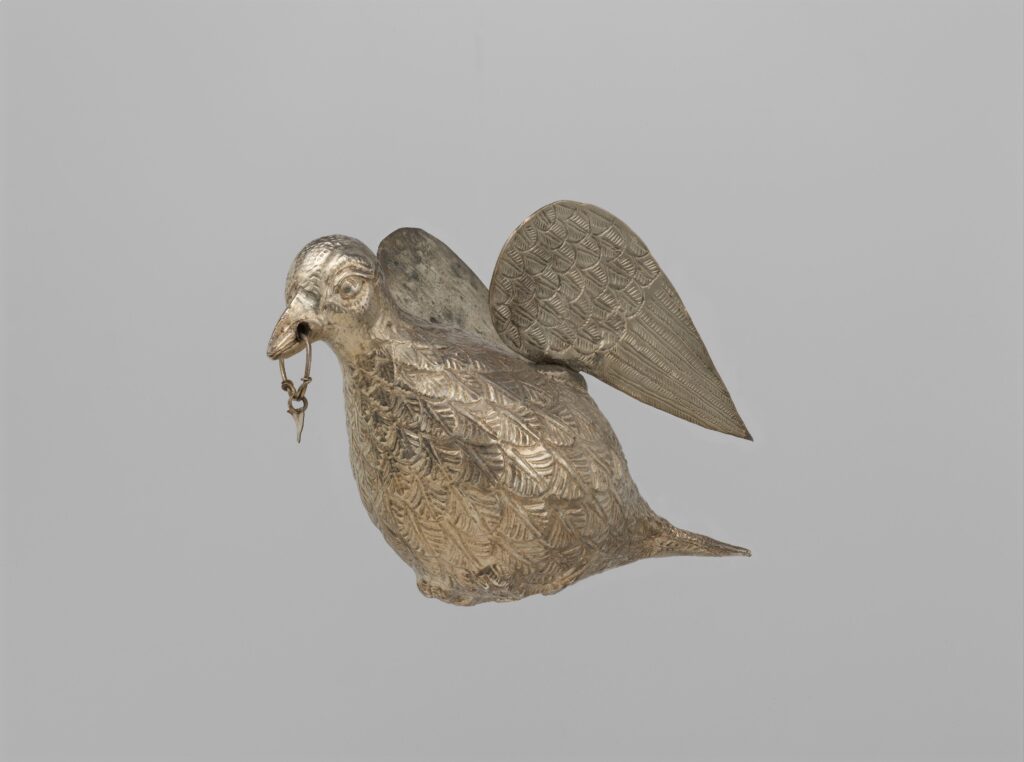
- Christian faith has inspired poetry for centuries, shaping some of the most enduring works in Western literature.
- From devotional prayer to meditations on grace, suffering, and redemption, Christian poetry has expressed belief through verse rather than doctrine.
- These famous Christian poems, all drawn from classic literature, continue to be read for their spiritual depth and literary beauty.
Christian Poetry and Religious Verse
- Christian poems often take the form of prayer, praise, or reflection.
- Many famous religious poems are not sermons, but personal expressions of faith.
- Across eras, poets have used Christian imagery to explore doubt, hope, repentance, and salvation.
Famous Christian Poems
You may also enjoy:
“Love (III)” — George Herbert
- One of the most celebrated Christian poems in English literature.
- Written as a dialogue between the soul and divine love.
- Explores grace, humility, and forgiveness.
Love bade me welcome: yet my soul drew back,
Guilty of dust and sin.
But quick-eyed Love, observing me grow slack
From my first entrance in,
Drew nearer to me, sweetly questioning
If I lacked anything.
“A guest,” I answered, “worthy to be here”:
Love said, “You shall be he.”
“I, the unkind, ungrateful? Ah, my dear,
I cannot look on thee.”
Love took my hand, and smiling did reply,
“Who made the eyes but I?”
“Truth, Lord; but I have marred them; let my shame
Go where it doth deserve.”
“And know you not,” says Love, “who bore the blame?”
“My dear, then I will serve.”
“You must sit down,” says Love, “and taste my meat.”
So I did sit and eat.
“The Collar” — George Herbert
- Reflects spiritual struggle and resistance before submission to faith.
- Known for its emotional honesty and dramatic structure.
- A classic example of inner religious conflict expressed poetically.
I struck the board, and cried, “No more;
I will abroad!
What? shall I ever sigh and pine?
My lines and life are free, free as the road,
Loose as the wind, as large as store.
Shall I be still in suit?
Have I no harvest but a thorn
To let me blood, and not restore
What I have lost with cordial fruit?
Sure there was wine
Before my sighs did dry it; there was corn
Before my tears did drown it.
Is the year only lost to me?
Have I no bays to crown it,
No flowers, no garlands gay? All blasted?
All wasted?
Not so, my heart; but there is fruit,
And thou hast hands.
Recover all thy sigh-blown age
On double pleasures: leave thy cold dispute
Of what is fit and not. Forsake thy cage,
Thy rope of sands,
Which petty thoughts have made, and made to thee
Good cable, to enforce and draw,
And be thy law,
While thou didst wink and wouldst not see.
Away! take heed;
I will abroad.
Call in thy death’s-head there; tie up thy fears;
He that forbears
To suit and serve his need
Deserves his load.”
But as I raved and grew more fierce and wild
At every word,
Methought I heard one calling, Child!
And I replied My Lord.
“On His Blindness” — John Milton
- Written after Milton lost his sight.
- Examines faith, patience, and divine purpose.
- Famous for the line “They also serve who only stand and wait.”
When I consider how my light is spent
Ere half my days in this dark world and wide,
And that one talent which is death to hide
Lodg’d with me useless, though my soul more bent
To serve therewith my Maker, and present
My true account, lest he returning chide,
“Doth God exact day-labour, light denied?”
I fondly ask. But Patience, to prevent
That murmur, soon replies: “God doth not need
Either man’s work or his own gifts: who best
Bear his mild yoke, they serve him best. His state
Is kingly; thousands at his bidding speed
And post o’er land and ocean without rest:
They also serve who only stand and wait.”
Famous Religious Poems
“Hymn to God, My God, in My Sickness” — John Donne
- Written during a serious illness.
- Blends physical suffering with spiritual preparation.
- One of the most quoted metaphysical religious poems.
Since I am coming to that holy room,
Where, with thy choir of saints for evermore,
I shall be made thy music; as I come
I tune the instrument here at the door,
And what I must do then, think here before.
Whilst my physicians by their love are grown
Cosmographers, and I their map, who lie
Flat on this bed, that by them may be shown
That this is my south-west discovery,
Per fretum febris, by these straits to die,
I joy, that in these straits I see my west;
For, though their currents yield return to none,
What shall my west hurt me? As west and east
In all flat maps (and I am one) are one,
So death doth touch the resurrection.
Is the Pacific Sea my home? Or are
The eastern riches? Is Jerusalem?
Anyan, and Magellan, and Gibraltar,
All straits, and none but straits, are ways to them,
Whether where Japhet dwelt, or Cham, or Shem.
We think that Paradise and Calvary,
Christ’s cross, and Adam’s tree, stood in one place;
Look, Lord, and find both Adams met in me;
As the first Adam’s sweat surrounds my face,
May the last Adam’s blood my soul embrace.
So, in his purple wrapp’d, receive me, Lord;
By these his thorns, give me his other crown;
And as to others’ souls I preach’d thy word,
Be this my text, my sermon to mine own:
“Therefore that he may raise, the Lord throws down.”
“Death, Be Not Proud” — John Donne
- Challenges death through Christian belief in eternal life.
- Combines bold rhetoric with theological confidence.
- Frequently read as both a religious and philosophical poem.
Death, be not proud, though some have called thee
Mighty and dreadful, for thou art not so;
For those whom thou think’st thou dost overthrow
Die not, poor Death, nor yet canst thou kill me.
From rest and sleep, which but thy pictures be,
Much pleasure; then from thee much more must flow,
And soonest our best men with thee do go,
Rest of their bones, and soul’s delivery.
Thou art slave to fate, chance, kings, and desperate men,
And dost with poison, war, and sickness dwell,
And poppy or charms can make us sleep as well
And better than thy stroke; why swell’st thou then?
One short sleep past, we wake eternally
And death shall be no more; Death, thou shalt die.
“Easter Wings” — George Herbert
- Uses visual form to mirror spiritual fall and redemption.
- Celebrates resurrection and renewal.
- A distinctive example of devotional poetry.
Lord, who createdst man in wealth and store,
Though foolishly he lost the same,
Decaying more and more,
Till he became
Most poore:
With thee
O let me rise
As larks, harmoniously,
And sing this day thy victories:
Then shall the fall further the flight in me.
My tender age in sorrow did beginne
And still with sicknesses and shame.
Thou didst so punish sinne,
That I became
Most thinne.
With thee
Let me combine,
And feel thy victorie:
For, if I imp my wing on thine,
Affliction shall advance the flight in me.
Christian Poems About Faith and Devotion
“A Hymn to God the Father” — John Donne
Addresses doubt, forgiveness, and divine mercy.
Written as a personal prayer.
Often included in collections of Christian devotional poetry.
Wilt thou forgive that sin where I begun,
Which was my sin, though it were done before?
Wilt thou forgive that sin, through which I run,
And do run still, though still I do deplore?
When thou hast done, thou hast not done,
For I have more.
Wilt thou forgive that sin which I have won
Others to sin, and made my sin their door?
Wilt thou forgive that sin which I did shun
A year or two, but wallow’d in, a score?
When thou hast done, thou hast not done,
For I have more.
I have a sin of fear, that when I have spun
My last thread, I shall perish on the shore;
But swear by thyself, that at my death thy Son
Shall shine as he shines now, and heretofore;
And, having done that, thou hast done;
I fear no more.
How Christian Poems Differ from General Religious Poetry
- Christian poems often center on grace, salvation, and Christ.
- Religious poetry more broadly may address God, mortality, or morality.
- Many famous Christian poems function as both literary works and acts of devotion.
How to Read Christian Poetry
- Focus on imagery rather than doctrine.
- Many poems express doubt as well as belief.
- Historical context can deepen understanding.
- These poems reward slow, reflective reading.
Final Thoughts
- Famous Christian poems endure because they unite faith with literary craftsmanship.
- Whether read devotionally or studied as literature, these works offer insight into belief across centuries.
- Revisiting classic Christian poetry allows readers to explore faith through language rather than instruction.
You might enjoy: