
Introduction
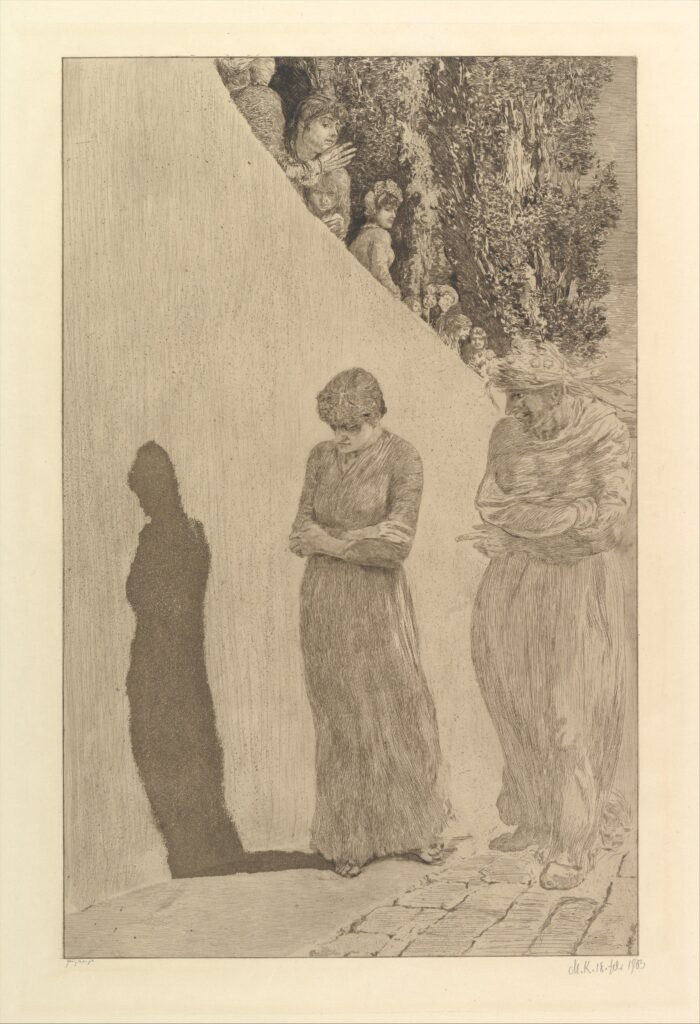
- Shame has long appeared in poetry as a complex and deeply personal emotion. Unlike guilt, which often focuses on actions, shame speaks to identity, pride, humiliation, and inner conflict. These famous poems about shame explore moral struggle, regret, vulnerability, and the tension between public appearance and private truth.
Why Poets Write About Shame
You may also enjoy:
- Shame often arises from perceived failure, social judgment, or moral awareness. In poetry, it becomes a powerful lens through which writers examine conscience, pride, and the desire for redemption or acceptance.
Personal Shame and Inner Conflict
“When, in Disgrace with Fortune and Men’s Eyes” (Sonnet 29) — William Shakespeare
- Shakespeare opens with feelings of social rejection and self-doubt before turning toward renewal through love.
When, in disgrace with fortune and men’s eyes,
I all alone beweep my outcast state,
And trouble deaf heaven with my bootless cries,
And look upon myself and curse my fate,
Wishing me like to one more rich in hope,
Featured like him, like him with friends possessed,
Desiring this man’s art and that man’s scope,
With what I most enjoy contented least;
Yet in these thoughts myself almost despising,
Haply I think on thee, and then my state,
(Like to the lark at break of day arising
From sullen earth) sings hymns at heaven’s gate;
For thy sweet love remembered such wealth brings
That then I scorn to change my state with kings.
“My Last Duchess” — Robert Browning
- Through dramatic monologue, Browning reveals pride, jealousy, and the subtle presence of moral exposure.
FERRARA
That’s my last Duchess painted on the wall,
Looking as if she were alive. I call
That piece a wonder, now; Fra Pandolf’s hands
Worked busily a day, and there she stands.
Will’t please you sit and look at her? I said
“Fra Pandolf” by design, for never read
Strangers like you that pictured countenance,
The depth and passion of its earnest glance,
But to myself they turned (since none puts by
The curtain I have drawn for you, but I)
And seemed as they would ask me, if they durst,
How such a glance came there; so, not the first
Are you to turn and ask thus. Sir, ’twas not
Her husband’s presence only, called that spot
Of joy into the Duchess’ cheek; perhaps
Fra Pandolf chanced to say, “Her mantle laps
Over my lady’s wrist too much,” or “Paint
Must never hope to reproduce the faint
Half-flush that dies along her throat.” Such stuff
Was courtesy, she thought, and cause enough
For calling up that spot of joy. She had
A heart—how shall I say?— too soon made glad,
Too easily impressed; she liked whate’er
She looked on, and her looks went everywhere.
Sir, ’twas all one! My favour at her breast,
The dropping of the daylight in the West,
The bough of cherries some officious fool
Broke in the orchard for her, the white mule
She rode with round the terrace—all and each
Would draw from her alike the approving speech,
Or blush, at least. She thanked men—good! but thanked
Somehow—I know not how—as if she ranked
My gift of a nine-hundred-years-old name
With anybody’s gift. Who’d stoop to blame
This sort of trifling? Even had you skill
In speech—which I have not—to make your will
Quite clear to such an one, and say, “Just this
Or that in you disgusts me; here you miss,
Or there exceed the mark”—and if she let
Herself be lessoned so, nor plainly set
Her wits to yours, forsooth, and made excuse—
E’en then would be some stooping; and I choose
Never to stoop. Oh, sir, she smiled, no doubt,
Whene’er I passed her; but who passed without
Much the same smile? This grew; I gave commands;
Then all smiles stopped together. There she stands
As if alive. Will’t please you rise? We’ll meet
The company below, then. I repeat,
The Count your master’s known munificence
Is ample warrant that no just pretense
Of mine for dowry will be disallowed;
Though his fair daughter’s self, as I avowed
At starting, is my object. Nay, we’ll go
Together down, sir. Notice Neptune, though,
Taming a sea-horse, thought a rarity,
Which Claus of Innsbruck cast in bronze for me!
“The Collar” — George Herbert
- Herbert dramatizes spiritual rebellion and the shame that follows inner conflict.
I struck the board, and cried, “No more;
I will abroad!
What? shall I ever sigh and pine?
My lines and life are free, free as the road,
Loose as the wind, as large as store.
Shall I be still in suit?
Have I no harvest but a thorn
To let me blood, and not restore
What I have lost with cordial fruit?
Sure there was wine
Before my sighs did dry it; there was corn
Before my tears did drown it.
Is the year only lost to me?
Have I no bays to crown it,
No flowers, no garlands gay? All blasted?
All wasted?
Not so, my heart; but there is fruit,
And thou hast hands.
Recover all thy sigh-blown age
On double pleasures: leave thy cold dispute
Of what is fit and not. Forsake thy cage,
Thy rope of sands,
Which petty thoughts have made, and made to thee
Good cable, to enforce and draw,
And be thy law,
While thou didst wink and wouldst not see.
Away! take heed;
I will abroad.
Call in thy death’s-head there; tie up thy fears;
He that forbears
To suit and serve his need
Deserves his load.”
But as I raved and grew more fierce and wild
At every word,
Methought I heard one calling, Child!
And I replied My Lord.
Shame and Social Judgment
“London” — William Blake
- Blake exposes societal corruption and collective moral failure, suggesting shame rooted in injustice.
I wander thro’ each charter’d street,
Near where the charter’d Thames does flow.
And mark in every face I meet
Marks of weakness, marks of woe.
In every cry of every Man,
In every Infants cry of fear,
In every voice: in every ban,
The mind-forg’d manacles I hear
How the Chimney-sweepers cry
Every blackning Church appalls,
And the hapless Soldiers sigh
Runs in blood down Palace walls
But most thro’ midnight streets I hear
How the youthful Harlots curse
Blasts the new-born Infants tear
And blights with plagues the Marriage hearse
Shame and Regret
“A Poison Tree” — William Blake
- Blake examines the hidden consequences of suppressed resentment, implying emotional and moral burden.
I was angry with my friend;
I told my wrath, my wrath did end.
I was angry with my foe:
I told it not, my wrath did grow.
And I waterd it in fears,
Night & morning with my tears:
And I sunned it with smiles,
And with soft deceitful wiles.
And it grew both day and night.
Till it bore an apple bright.
And my foe beheld it shine,
And he knew that it was mine.
And into my garden stole,
When the night had veild the pole;
In the morning glad I see;
My foe outstretched beneath the tree.
How to Choose a Poem About Shame
- For personal shame, consider introspective sonnets or dramatic monologues.
- For social shame, look to poems critiquing injustice or hypocrisy.
- For spiritual shame, devotional poetry often explores repentance and reconciliation.
- Consider tone: self-reflective, accusatory, subdued, or transformative.
Final Thoughts
- Famous poems about shame endure because shame is intertwined with identity and conscience. Through confession, reflection, and symbolic imagery, poets illuminate the emotional complexity of feeling exposed, judged, or morally conflicted.
You might enjoy: