
Introduction
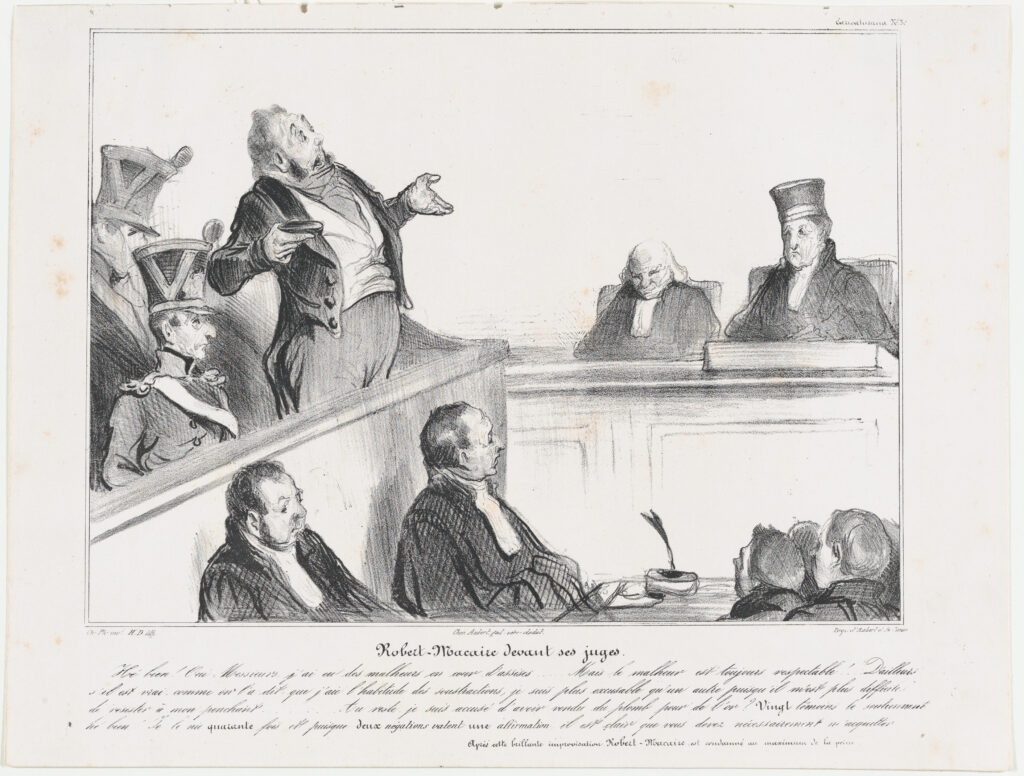
- Guilt has long been explored in poetry as a powerful and often troubling emotion. Whether rooted in moral failure, regret, betrayal, or spiritual conflict, guilt reveals the tension between action and conscience. These famous poems about guilt examine remorse, responsibility, and the weight of memory.
Why Poets Write About Guilt
You may also enjoy:
- Guilt often arises when individuals confront the consequences of their choices. In poetry, it becomes a means of examining morality, self-awareness, and the desire for forgiveness or redemption.
Personal Guilt and Remorse
“A Poison Tree” — William Blake
- Blake explores the destructive consequences of suppressed anger and hidden resentment.
I was angry with my friend;
I told my wrath, my wrath did end.
I was angry with my foe:
I told it not, my wrath did grow.
And I waterd it in fears,
Night & morning with my tears:
And I sunned it with smiles,
And with soft deceitful wiles.
And it grew both day and night.
Till it bore an apple bright.
And my foe beheld it shine,
And he knew that it was mine.
And into my garden stole,
When the night had veild the pole;
In the morning glad I see;
My foe outstretched beneath the tree.
“My Last Duchess” — Robert Browning
- Through dramatic monologue, Browning reveals jealousy and possessiveness that hint at moral wrongdoing.
FERRARA
That’s my last Duchess painted on the wall,
Looking as if she were alive. I call
That piece a wonder, now; Fra Pandolf’s hands
Worked busily a day, and there she stands.
Will’t please you sit and look at her? I said
“Fra Pandolf” by design, for never read
Strangers like you that pictured countenance,
The depth and passion of its earnest glance,
But to myself they turned (since none puts by
The curtain I have drawn for you, but I)
And seemed as they would ask me, if they durst,
How such a glance came there; so, not the first
Are you to turn and ask thus. Sir, ’twas not
Her husband’s presence only, called that spot
Of joy into the Duchess’ cheek; perhaps
Fra Pandolf chanced to say, “Her mantle laps
Over my lady’s wrist too much,” or “Paint
Must never hope to reproduce the faint
Half-flush that dies along her throat.” Such stuff
Was courtesy, she thought, and cause enough
For calling up that spot of joy. She had
A heart—how shall I say?— too soon made glad,
Too easily impressed; she liked whate’er
She looked on, and her looks went everywhere.
Sir, ’twas all one! My favour at her breast,
The dropping of the daylight in the West,
The bough of cherries some officious fool
Broke in the orchard for her, the white mule
She rode with round the terrace—all and each
Would draw from her alike the approving speech,
Or blush, at least. She thanked men—good! but thanked
Somehow—I know not how—as if she ranked
My gift of a nine-hundred-years-old name
With anybody’s gift. Who’d stoop to blame
This sort of trifling? Even had you skill
In speech—which I have not—to make your will
Quite clear to such an one, and say, “Just this
Or that in you disgusts me; here you miss,
Or there exceed the mark”—and if she let
Herself be lessoned so, nor plainly set
Her wits to yours, forsooth, and made excuse—
E’en then would be some stooping; and I choose
Never to stoop. Oh, sir, she smiled, no doubt,
Whene’er I passed her; but who passed without
Much the same smile? This grew; I gave commands;
Then all smiles stopped together. There she stands
As if alive. Will’t please you rise? We’ll meet
The company below, then. I repeat,
The Count your master’s known munificence
Is ample warrant that no just pretense
Of mine for dowry will be disallowed;
Though his fair daughter’s self, as I avowed
At starting, is my object. Nay, we’ll go
Together down, sir. Notice Neptune, though,
Taming a sea-horse, thought a rarity,
Which Claus of Innsbruck cast in bronze for me!
“On My First Son” — Ben Jonson
- Jonson reflects on the death of his child with a mixture of sorrow and self-reproach.
Farewell, thou child of my right hand, and joy;
My sin was too much hope of thee, lov’d boy.
Seven years tho’ wert lent to me, and I thee pay,
Exacted by thy fate, on the just day.
O, could I lose all father now! For why
Will man lament the state he should envy?
To have so soon ‘scap’d world’s and flesh’s rage,
And if no other misery, yet age?
Rest in soft peace, and, ask’d, say, “Here doth lie
Ben Jonson his best piece of poetry.”
For whose sake henceforth all his vows be such,
As what he loves may never like too much.
Spiritual and Moral Guilt
“The Collar” — George Herbert
- Herbert dramatizes inner rebellion and spiritual guilt, ultimately moving toward reconciliation.
I struck the board, and cried, “No more;
I will abroad!
What? shall I ever sigh and pine?
My lines and life are free, free as the road,
Loose as the wind, as large as store.
Shall I be still in suit?
Have I no harvest but a thorn
To let me blood, and not restore
What I have lost with cordial fruit?
Sure there was wine
Before my sighs did dry it; there was corn
Before my tears did drown it.
Is the year only lost to me?
Have I no bays to crown it,
No flowers, no garlands gay? All blasted?
All wasted?
Not so, my heart; but there is fruit,
And thou hast hands.
Recover all thy sigh-blown age
On double pleasures: leave thy cold dispute
Of what is fit and not. Forsake thy cage,
Thy rope of sands,
Which petty thoughts have made, and made to thee
Good cable, to enforce and draw,
And be thy law,
While thou didst wink and wouldst not see.
Away! take heed;
I will abroad.
Call in thy death’s-head there; tie up thy fears;
He that forbears
To suit and serve his need
Deserves his load.”
But as I raved and grew more fierce and wild
At every word,
Methought I heard one calling, Child!
And I replied My Lord.
“Sonnet 146” (“Poor soul, the centre of my sinful earth”) — William Shakespeare
- Shakespeare reflects on spiritual neglect and the conflict between outward appearance and inward conscience.
Poor soul, the centre of my sinful earth,
[……] these rebel powers that thee array,
Why dost thou pine within and suffer dearth,
Painting thy outward walls so costly gay?
Why so large cost, having so short a lease,
Dost thou upon thy fading mansion spend?
Shall worms, inheritors of this excess,
Eat up thy charge? Is this thy body’s end?
Then soul, live thou upon thy servant’s loss
And let that pine to aggravate thy store;
Buy terms divine in selling hours of dross;
Within be fed, without be rich no more.
So shalt thou feed on Death, that feeds on men,
And, Death once dead, there’s no more dying then.
Guilt and Memory
“The Raven” — Edgar Allan Poe
- Poe portrays obsessive grief and psychological torment, suggesting unresolved guilt and regret.
Once upon a midnight dreary, while I pondered, weak and weary,
Over many a quaint and curious volume of forgotten lore—
While I nodded, nearly napping, suddenly there came a tapping,
As of some one gently rapping, rapping at my chamber door.
“’Tis some visitor,” I muttered, “tapping at my chamber door—
Only this and nothing more.”
Ah, distinctly I remember it was in the bleak December;
And each separate dying ember wrought its ghost upon the floor.
Eagerly I wished the morrow;—vainly I had sought to borrow
From my books surcease of sorrow—sorrow for the lost Lenore—
For the rare and radiant maiden whom the angels name Lenore—
Nameless here for evermore.
And the silken, sad, uncertain rustling of each purple curtain
Thrilled me—filled me with fantastic terrors never felt before;
So that now, to still the beating of my heart, I stood repeating
“’Tis some visitor entreating entrance at my chamber door—
Some late visitor entreating entrance at my chamber door;—
This it is and nothing more.”
Presently my soul grew stronger; hesitating then no longer,
“Sir,” said I, “or Madam, truly your forgiveness I implore;
But the fact is I was napping, and so gently you came rapping,
And so faintly you came tapping, tapping at my chamber door,
That I scarce was sure I heard you”—here I opened wide the door;—
Darkness there and nothing more.
Deep into that darkness peering, long I stood there wondering, fearing,
Doubting, dreaming dreams no mortal ever dared to dream before;
But the silence was unbroken, and the stillness gave no token,
And the only word there spoken was the whispered word, “Lenore?”
This I whispered, and an echo murmured back the word, “Lenore!”—
Merely this and nothing more.
Back into the chamber turning, all my soul within me burning,
Soon again I heard a tapping somewhat louder than before.
“Surely,” said I, “surely that is something at my window lattice;
Let me see, then, what thereat is, and this mystery explore—
Let my heart be still a moment and this mystery explore;—
’Tis the wind and nothing more!”
Open here I flung the shutter, when, with many a flirt and flutter,
In there stepped a stately Raven of the saintly days of yore;
Not the least obeisance made he; not a minute stopped or stayed he;
But, with mien of lord or lady, perched above my chamber door—
Perched upon a bust of Pallas just above my chamber door—
Perched, and sat, and nothing more.
Then this ebony bird beguiling my sad fancy into smiling,
By the grave and stern decorum of the countenance it wore,
“Though thy crest be shorn and shaven, thou,” I said, “art sure no craven,
Ghastly grim and ancient Raven wandering from the Nightly shore—
Tell me what thy lordly name is on the Night’s Plutonian shore!”
Quoth the Raven “Nevermore.”
Much I marvelled this ungainly fowl to hear discourse so plainly,
Though its answer little meaning—little relevancy bore;
For we cannot help agreeing that no living human being
Ever yet was blessed with seeing bird above his chamber door—
Bird or beast upon the sculptured bust above his chamber door,
With such name as “Nevermore.”
But the Raven, sitting lonely on the placid bust, spoke only
That one word, as if his soul in that one word he did outpour.
Nothing farther then he uttered—not a feather then he fluttered—
Till I scarcely more than muttered “Other friends have flown before—
On the morrow he will leave me, as my Hopes have flown before.”
Then the bird said “Nevermore.”
Startled at the stillness broken by reply so aptly spoken,
“Doubtless,” said I, “what it utters is its only stock and store
Caught from some unhappy master whom unmerciful Disaster
Followed fast and followed faster till his songs one burden bore—
Till the dirges of his Hope that melancholy burden bore
Of ‘Never—nevermore’.”
But the Raven still beguiling all my fancy into smiling,
Straight I wheeled a cushioned seat in front of bird, and bust and door;
Then, upon the velvet sinking, I betook myself to linking
Fancy unto fancy, thinking what this ominous bird of yore—
What this grim, ungainly, ghastly, gaunt, and ominous bird of yore
Meant in croaking “Nevermore.”
This I sat engaged in guessing, but no syllable expressing
To the fowl whose fiery eyes now burned into my bosom’s core;
This and more I sat divining, with my head at ease reclining
On the cushion’s velvet lining that the lamp-light gloated o’er,
But whose velvet-violet lining with the lamp-light gloating o’er,
She shall press, ah, nevermore!
Then, methought, the air grew denser, perfumed from an unseen censer
Swung by Seraphim whose foot-falls tinkled on the tufted floor.
“Wretch,” I cried, “thy God hath lent thee—by these angels he hath sent thee
Respite—respite and nepenthe from thy memories of Lenore;
Quaff, oh quaff this kind nepenthe and forget this lost Lenore!”
Quoth the Raven “Nevermore.”
“Prophet!” said I, “thing of evil!—prophet still, if bird or devil!—
Whether Tempter sent, or whether tempest tossed thee here ashore,
Desolate yet all undaunted, on this desert land enchanted—
On this home by Horror haunted—tell me truly, I implore—
Is there—is there balm in Gilead?—tell me—tell me, I implore!”
Quoth the Raven “Nevermore.”
“Prophet!” said I, “thing of evil!—prophet still, if bird or devil!
By that Heaven that bends above us—by that God we both adore—
Tell this soul with sorrow laden if, within the distant Aidenn,
It shall clasp a sainted maiden whom the angels name Lenore—
Clasp a rare and radiant maiden whom the angels name Lenore.”
Quoth the Raven “Nevermore.”
“Be that word our sign of parting, bird or fiend!” I shrieked, upstarting—
“Get thee back into the tempest and the Night’s Plutonian shore!
Leave no black plume as a token of that lie thy soul hath spoken!
Leave my loneliness unbroken!—quit the bust above my door!
Take thy beak from out my heart, and take thy form from off my door!”
Quoth the Raven “Nevermore.”
And the Raven, never flitting, still is sitting, still is sitting
On the pallid bust of Pallas just above my chamber door;
And his eyes have all the seeming of a demon’s that is dreaming,
And the lamp-light o’er him streaming throws his shadow on the floor;
And my soul from out that shadow that lies floating on the floor
Shall be lifted—nevermore!
How to Choose a Poem About Guilt
- For psychological guilt, consider dramatic monologues or symbolic works.
- For spiritual conflict, devotional poetry often addresses remorse and reconciliation.
- For regret rooted in loss, elegies may reflect personal responsibility or self-questioning.
- Decide whether you want confrontation, confession, or reflection.
Final Thoughts
- Famous poems about guilt endure because guilt itself is deeply human. Through metaphor, confession, and moral inquiry, poets give shape to remorse and the search for redemption.
You might enjoy: