
Introduction
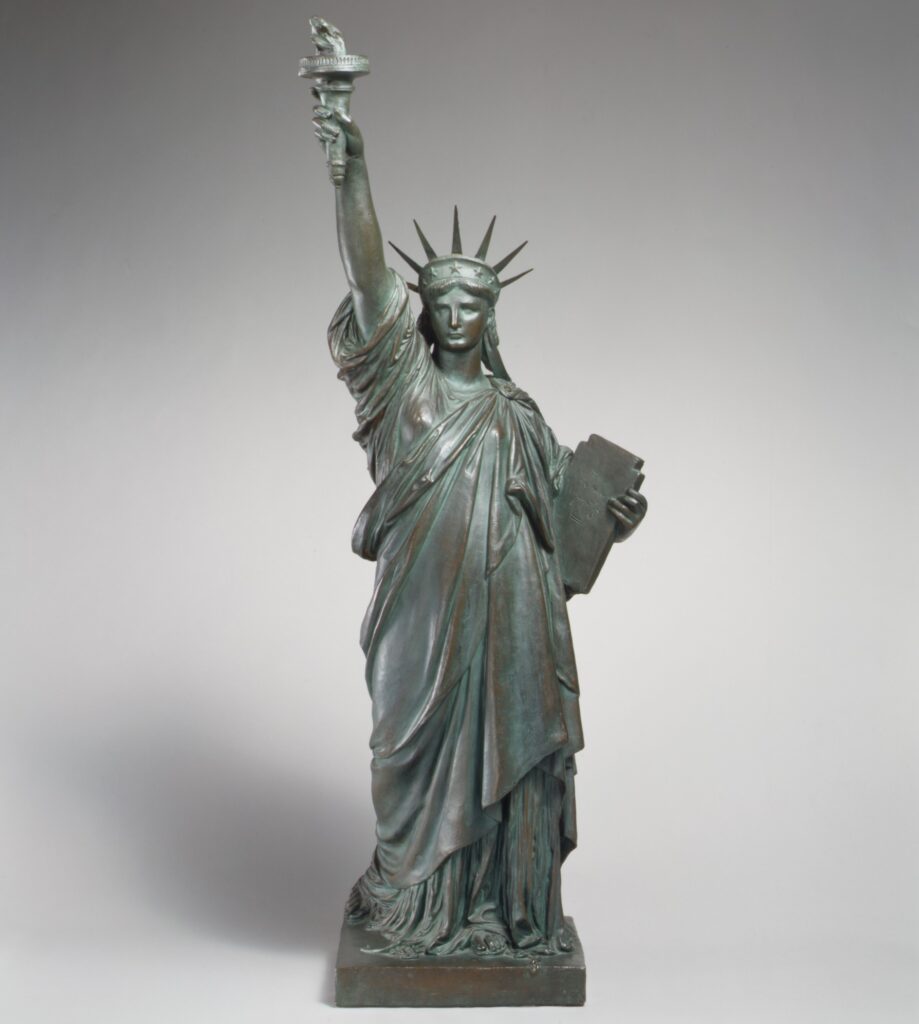
- Freedom has long inspired poets to reflect on independence, self-determination, justice, and the human spirit. Whether expressed through political revolution, personal resilience, or spiritual liberation, freedom remains one of poetry’s most enduring themes. These famous poems about freedom explore liberty in its many forms.
Why Poets Write About Freedom
You may also enjoy:
- Freedom represents both external independence and internal autonomy. In poetry, it often appears as resistance to oppression, affirmation of individuality, or spiritual release from constraint.
Political and National Freedom
“Concord Hymn” — Ralph Waldo Emerson
- Emerson commemorates the American Revolution and the defense of liberty.
By the rude bridge that arched the flood,
Their flag to April’s breeze unfurled,
Here once the embattled farmers stood
And fired the shot heard round the world.
The foe long since in silence slept;
Alike the conqueror silent sleeps;
And Time the ruined bridge has swept
Down the dark stream which seaward creeps.
On this green bank, by this soft stream,
We set today a votive stone;
That memory may their deed redeem,
When, like our sires, our sons are gone.
Spirit, that made those heroes dare
To die, and leave their children free,
Bid Time and Nature gently spare
The shaft we raise to them and thee.
“The New Colossus” — Emma Lazarus
- Lazarus reimagines the Statue of Liberty as a symbol of welcome and opportunity.
Not like the brazen giant of Greek fame,
With conquering limbs astride from land to land;
Here at our sea-washed, sunset gates shall stand
A mighty woman with a torch, whose flame
Is the imprisoned lightning, and her name
Mother of Exiles. From her beacon-hand
Glows world-wide welcome; her mild eyes command
The air-bridged harbor that twin cities frame.
“Keep, ancient lands, your storied pomp!” cries she
With silent lips. “Give me your tired, your poor,
Your huddled masses yearning to breathe free,
The wretched refuse of your teeming shore.
Send these, the homeless, tempest-tost to me,
I lift my lamp beside the golden door!”
“The Cry of the Children” — Elizabeth Barrett Browning
- Browning protests injustice and calls attention to the suffering of child laborers.
“Pheu pheu, ti prosderkesthe m ommasin, tekna;”
[[Alas, alas, why do you gaze at me with your eyes, my children.]]—Medea.
Do ye hear the children weeping, O my brothers,
Ere the sorrow comes with years ?
They are leaning their young heads against their mothers, —
And that cannot stop their tears.
The young lambs are bleating in the meadows ;
The young birds are chirping in the nest ;
The young fawns are playing with the shadows ;
The young flowers are blowing toward the west—
But the young, young children, O my brothers,
They are weeping bitterly !
They are weeping in the playtime of the others,
In the country of the free.
Do you question the young children in the sorrow,
Why their tears are falling so ?
The old man may weep for his to-morrow
Which is lost in Long Ago —
The old tree is leafless in the forest —
The old year is ending in the frost —
The old wound, if stricken, is the sorest —
The old hope is hardest to be lost :
But the young, young children, O my brothers,
Do you ask them why they stand
Weeping sore before the bosoms of their mothers,
In our happy Fatherland ?
They look up with their pale and sunken faces,
And their looks are sad to see,
For the man’s grief abhorrent, draws and presses
Down the cheeks of infancy —
“Your old earth,” they say, “is very dreary;”
“Our young feet,” they say, “are very weak !”
Few paces have we taken, yet are weary—
Our grave-rest is very far to seek !
Ask the old why they weep, and not the children,
For the outside earth is cold —
And we young ones stand without, in our bewildering,
And the graves are for the old !”
“True,” say the children, “it may happen
That we die before our time !
Little Alice died last year her grave is shapen
Like a snowball, in the rime.
We looked into the pit prepared to take her —
Was no room for any work in the close clay :
From the sleep wherein she lieth none will wake her,
Crying, ‘Get up, little Alice ! it is day.’
If you listen by that grave, in sun and shower,
With your ear down, little Alice never cries ;
Could we see her face, be sure we should not know her,
For the smile has time for growing in her eyes ,—
And merry go her moments, lulled and stilled in
The shroud, by the kirk-chime !
It is good when it happens,” say the children,
“That we die before our time !”
Alas, the wretched children ! they are seeking
Death in life, as best to have !
They are binding up their hearts away from breaking,
With a cerement from the grave.
Go out, children, from the mine and from the city —
Sing out, children, as the little thrushes do —
Pluck you handfuls of the meadow-cowslips pretty
Laugh aloud, to feel your fingers let them through !
But they answer, ” Are your cowslips of the meadows
Like our weeds anear the mine ?
Leave us quiet in the dark of the coal-shadows,
From your pleasures fair and fine!
“For oh,” say the children, “we are weary,
And we cannot run or leap —
If we cared for any meadows, it were merely
To drop down in them and sleep.
Our knees tremble sorely in the stooping —
We fall upon our faces, trying to go ;
And, underneath our heavy eyelids drooping,
The reddest flower would look as pale as snow.
For, all day, we drag our burden tiring,
Through the coal-dark, underground —
Or, all day, we drive the wheels of iron
In the factories, round and round.
“For all day, the wheels are droning, turning, —
Their wind comes in our faces, —
Till our hearts turn, — our heads, with pulses burning,
And the walls turn in their places
Turns the sky in the high window blank and reeling —
Turns the long light that droppeth down the wall, —
Turn the black flies that crawl along the ceiling —
All are turning, all the day, and we with all ! —
And all day, the iron wheels are droning ;
And sometimes we could pray,
‘O ye wheels,’ (breaking out in a mad moaning)
‘Stop ! be silent for to-day ! ‘ “
Ay ! be silent ! Let them hear each other breathing
For a moment, mouth to mouth —
Let them touch each other’s hands, in a fresh wreathing
Of their tender human youth !
Let them feel that this cold metallic motion
Is not all the life God fashions or reveals —
Let them prove their inward souls against the notion
That they live in you, or under you, O wheels ! —
Still, all day, the iron wheels go onward,
As if Fate in each were stark ;
And the children’s souls, which God is calling sunward,
Spin on blindly in the dark.
Now tell the poor young children, O my brothers,
To look up to Him and pray —
So the blessed One, who blesseth all the others,
Will bless them another day.
They answer, ” Who is God that He should hear us,
While the rushing of the iron wheels is stirred ?
When we sob aloud, the human creatures near us
Pass by, hearing not, or answer not a word !
And we hear not (for the wheels in their resounding)
Strangers speaking at the door :
Is it likely God, with angels singing round Him,
Hears our weeping any more ?
” Two words, indeed, of praying we remember ;
And at midnight’s hour of harm, —
‘Our Father,’ looking upward in the chamber,
We say softly for a charm.
We know no other words, except ‘Our Father,’
And we think that, in some pause of angels’ song,
God may pluck them with the silence sweet to gather,
And hold both within His right hand which is strong.
‘Our Father !’ If He heard us, He would surely
(For they call Him good and mild)
Answer, smiling down the steep world very purely,
‘Come and rest with me, my child.’
“But, no !” say the children, weeping faster,
” He is speechless as a stone ;
And they tell us, of His image is the master
Who commands us to work on.
Go to ! ” say the children,—”up in Heaven,
Dark, wheel-like, turning clouds are all we find !
Do not mock us ; grief has made us unbelieving —
We look up for God, but tears have made us blind.”
Do ye hear the children weeping and disproving,
O my brothers, what ye preach ?
For God’s possible is taught by His world’s loving —
And the children doubt of each.
And well may the children weep before you ;
They are weary ere they run ;
They have never seen the sunshine, nor the glory
Which is brighter than the sun :
They know the grief of man, without its wisdom ;
They sink in the despair, without its calm —
Are slaves, without the liberty in Christdom, —
Are martyrs, by the pang without the palm, —
Are worn, as if with age, yet unretrievingly
No dear remembrance keep,—
Are orphans of the earthly love and heavenly :
Let them weep ! let them weep !
They look up, with their pale and sunken faces,
And their look is dread to see,
For they think you see their angels in their places,
With eyes meant for Deity ;—
“How long,” they say, “how long, O cruel nation,
Will you stand, to move the world, on a child’s heart, —
Stifle down with a mailed heel its palpitation,
And tread onward to your throne amid the mart ?
Our blood splashes upward, O our tyrants,
And your purple shews your path ;
But the child’s sob curseth deeper in the silence
Than the strong man in his wrath !”
Personal and Inner Freedom
“Invictus” — William Ernest Henley
- Henley affirms inner strength and self-mastery despite adversity.
“Pheu pheu, ti prosderkesthe m ommasin, tekna;”
[[Alas, alas, why do you gaze at me with your eyes, my children.]]—Medea.
Do ye hear the children weeping, O my brothers,
Ere the sorrow comes with years ?
They are leaning their young heads against their mothers, —
And that cannot stop their tears.
The young lambs are bleating in the meadows ;
The young birds are chirping in the nest ;
The young fawns are playing with the shadows ;
The young flowers are blowing toward the west—
But the young, young children, O my brothers,
They are weeping bitterly !
They are weeping in the playtime of the others,
In the country of the free.
Do you question the young children in the sorrow,
Why their tears are falling so ?
The old man may weep for his to-morrow
Which is lost in Long Ago —
The old tree is leafless in the forest —
The old year is ending in the frost —
The old wound, if stricken, is the sorest —
The old hope is hardest to be lost :
But the young, young children, O my brothers,
Do you ask them why they stand
Weeping sore before the bosoms of their mothers,
In our happy Fatherland ?
They look up with their pale and sunken faces,
And their looks are sad to see,
For the man’s grief abhorrent, draws and presses
Down the cheeks of infancy —
“Your old earth,” they say, “is very dreary;”
“Our young feet,” they say, “are very weak !”
Few paces have we taken, yet are weary—
Our grave-rest is very far to seek !
Ask the old why they weep, and not the children,
For the outside earth is cold —
And we young ones stand without, in our bewildering,
And the graves are for the old !”
“True,” say the children, “it may happen
That we die before our time !
Little Alice died last year her grave is shapen
Like a snowball, in the rime.
We looked into the pit prepared to take her —
Was no room for any work in the close clay :
From the sleep wherein she lieth none will wake her,
Crying, ‘Get up, little Alice ! it is day.’
If you listen by that grave, in sun and shower,
With your ear down, little Alice never cries ;
Could we see her face, be sure we should not know her,
For the smile has time for growing in her eyes ,—
And merry go her moments, lulled and stilled in
The shroud, by the kirk-chime !
It is good when it happens,” say the children,
“That we die before our time !”
Alas, the wretched children ! they are seeking
Death in life, as best to have !
They are binding up their hearts away from breaking,
With a cerement from the grave.
Go out, children, from the mine and from the city —
Sing out, children, as the little thrushes do —
Pluck you handfuls of the meadow-cowslips pretty
Laugh aloud, to feel your fingers let them through !
But they answer, ” Are your cowslips of the meadows
Like our weeds anear the mine ?
Leave us quiet in the dark of the coal-shadows,
From your pleasures fair and fine!
“For oh,” say the children, “we are weary,
And we cannot run or leap —
If we cared for any meadows, it were merely
To drop down in them and sleep.
Our knees tremble sorely in the stooping —
We fall upon our faces, trying to go ;
And, underneath our heavy eyelids drooping,
The reddest flower would look as pale as snow.
For, all day, we drag our burden tiring,
Through the coal-dark, underground —
Or, all day, we drive the wheels of iron
In the factories, round and round.
“For all day, the wheels are droning, turning, —
Their wind comes in our faces, —
Till our hearts turn, — our heads, with pulses burning,
And the walls turn in their places
Turns the sky in the high window blank and reeling —
Turns the long light that droppeth down the wall, —
Turn the black flies that crawl along the ceiling —
All are turning, all the day, and we with all ! —
And all day, the iron wheels are droning ;
And sometimes we could pray,
‘O ye wheels,’ (breaking out in a mad moaning)
‘Stop ! be silent for to-day ! ‘ “
Ay ! be silent ! Let them hear each other breathing
For a moment, mouth to mouth —
Let them touch each other’s hands, in a fresh wreathing
Of their tender human youth !
Let them feel that this cold metallic motion
Is not all the life God fashions or reveals —
Let them prove their inward souls against the notion
That they live in you, or under you, O wheels ! —
Still, all day, the iron wheels go onward,
As if Fate in each were stark ;
And the children’s souls, which God is calling sunward,
Spin on blindly in the dark.
Now tell the poor young children, O my brothers,
To look up to Him and pray —
So the blessed One, who blesseth all the others,
Will bless them another day.
They answer, ” Who is God that He should hear us,
While the rushing of the iron wheels is stirred ?
When we sob aloud, the human creatures near us
Pass by, hearing not, or answer not a word !
And we hear not (for the wheels in their resounding)
Strangers speaking at the door :
Is it likely God, with angels singing round Him,
Hears our weeping any more ?
” Two words, indeed, of praying we remember ;
And at midnight’s hour of harm, —
‘Our Father,’ looking upward in the chamber,
We say softly for a charm.
We know no other words, except ‘Our Father,’
And we think that, in some pause of angels’ song,
God may pluck them with the silence sweet to gather,
And hold both within His right hand which is strong.
‘Our Father !’ If He heard us, He would surely
(For they call Him good and mild)
Answer, smiling down the steep world very purely,
‘Come and rest with me, my child.’
“But, no !” say the children, weeping faster,
” He is speechless as a stone ;
And they tell us, of His image is the master
Who commands us to work on.
Go to ! ” say the children,—”up in Heaven,
Dark, wheel-like, turning clouds are all we find !
Do not mock us ; grief has made us unbelieving —
We look up for God, but tears have made us blind.”
Do ye hear the children weeping and disproving,
O my brothers, what ye preach ?
For God’s possible is taught by His world’s loving —
And the children doubt of each.
And well may the children weep before you ;
They are weary ere they run ;
They have never seen the sunshine, nor the glory
Which is brighter than the sun :
They know the grief of man, without its wisdom ;
They sink in the despair, without its calm —
Are slaves, without the liberty in Christdom, —
Are martyrs, by the pang without the palm, —
Are worn, as if with age, yet unretrievingly
No dear remembrance keep,—
Are orphans of the earthly love and heavenly :
Let them weep ! let them weep !
They look up, with their pale and sunken faces,
And their look is dread to see,
For they think you see their angels in their places,
With eyes meant for Deity ;—
“How long,” they say, “how long, O cruel nation,
Will you stand, to move the world, on a child’s heart, —
Stifle down with a mailed heel its palpitation,
And tread onward to your throne amid the mart ?
Our blood splashes upward, O our tyrants,
And your purple shews your path ;
But the child’s sob curseth deeper in the silence
Than the strong man in his wrath !”
Spiritual Freedom
“The Collar” — George Herbert
- Herbert dramatizes spiritual rebellion and reconciliation, reflecting inner liberation.
I struck the board, and cried, “No more;
I will abroad!
What? shall I ever sigh and pine?
My lines and life are free, free as the road,
Loose as the wind, as large as store.
Shall I be still in suit?
Have I no harvest but a thorn
To let me blood, and not restore
What I have lost with cordial fruit?
Sure there was wine
Before my sighs did dry it; there was corn
Before my tears did drown it.
Is the year only lost to me?
Have I no bays to crown it,
No flowers, no garlands gay? All blasted?
All wasted?
Not so, my heart; but there is fruit,
And thou hast hands.
Recover all thy sigh-blown age
On double pleasures: leave thy cold dispute
Of what is fit and not. Forsake thy cage,
Thy rope of sands,
Which petty thoughts have made, and made to thee
Good cable, to enforce and draw,
And be thy law,
While thou didst wink and wouldst not see.
Away! take heed;
I will abroad.
Call in thy death’s-head there; tie up thy fears;
He that forbears
To suit and serve his need
Deserves his load.”
But as I raved and grew more fierce and wild
At every word,
Methought I heard one calling, Child!
And I replied My Lord.
“Ode to the West Wind” — Percy Bysshe Shelley
- Shelley portrays the wind as a force of renewal and transformation, symbolizing change and release.
I
O wild West Wind, thou breath of Autumn’s being,
Thou, from whose unseen presence the leaves dead
Are driven, like ghosts from an enchanter fleeing,
Yellow, and black, and pale, and hectic red,
Pestilence-stricken multitudes: O thou,
Who chariotest to their dark wintry bed
The winged seeds, where they lie cold and low,
Each like a corpse within its grave, until
Thine azure sister of the Spring shall blow
Her clarion o’er the dreaming earth, and fill
(Driving sweet buds like flocks to feed in air)
With living hues and odours plain and hill:
Wild Spirit, which art moving everywhere;
Destroyer and preserver; hear, oh hear!
II
Thou on whose stream, mid the steep sky’s commotion,
Loose clouds like earth’s decaying leaves are shed,
Shook from the tangled boughs of Heaven and Ocean,
Angels of rain and lightning: there are spread
On the blue surface of thine aëry surge,
Like the bright hair uplifted from the head
Of some fierce Maenad, even from the dim verge
Of the horizon to the zenith’s height,
The locks of the approaching storm. Thou dirge
Of the dying year, to which this closing night
Will be the dome of a vast sepulchre,
Vaulted with all thy congregated might
Of vapours, from whose solid atmosphere
Black rain, and fire, and hail will burst: oh hear!
III
Thou who didst waken from his summer dreams
The blue Mediterranean, where he lay,
Lull’d by the coil of his crystalline streams,
Beside a pumice isle in Baiae’s bay,
And saw in sleep old palaces and towers
Quivering within the wave’s intenser day,
All overgrown with azure moss and flowers
So sweet, the sense faints picturing them! Thou
For whose path the Atlantic’s level powers
Cleave themselves into chasms, while far below
The sea-blooms and the oozy woods which wear
The sapless foliage of the ocean, know
Thy voice, and suddenly grow gray with fear,
And tremble and despoil themselves: oh hear!
IV
If I were a dead leaf thou mightest bear;
If I were a swift cloud to fly with thee;
A wave to pant beneath thy power, and share
The impulse of thy strength, only less free
Than thou, O uncontrollable! If even
I were as in my boyhood, and could be
The comrade of thy wanderings over Heaven,
As then, when to outstrip thy skiey speed
Scarce seem’d a vision; I would ne’er have striven
As thus with thee in prayer in my sore need.
Oh, lift me as a wave, a leaf, a cloud!
I fall upon the thorns of life! I bleed!
A heavy weight of hours has chain’d and bow’d
One too like thee: tameless, and swift, and proud.
V
Make me thy lyre, even as the forest is:
What if my leaves are falling like its own!
The tumult of thy mighty harmonies
Will take from both a deep, autumnal tone,
Sweet though in sadness. Be thou, Spirit fierce,
My spirit! Be thou me, impetuous one!
Drive my dead thoughts over the universe
Like wither’d leaves to quicken a new birth!
And, by the incantation of this verse,
Scatter, as from an unextinguish’d hearth
Ashes and sparks, my words among mankind!
Be through my lips to unawaken’d earth
The trumpet of a prophecy! O Wind,
If Winter comes, can Spring be far behind?
How to Choose a Poem About Freedom
- For political liberty, select poems tied to historical movements.
- For personal resilience, choose affirming or introspective works.
- For spiritual liberation, devotional poetry often reflects inner struggle and release.
- Consider tone: celebratory, defiant, reflective, or visionary.
Final Thoughts
- Famous poems about freedom endure because the desire for liberty remains universal. Through protest, affirmation, and reflection, poets give voice to the enduring pursuit of independence and dignity.
You might enjoy: